
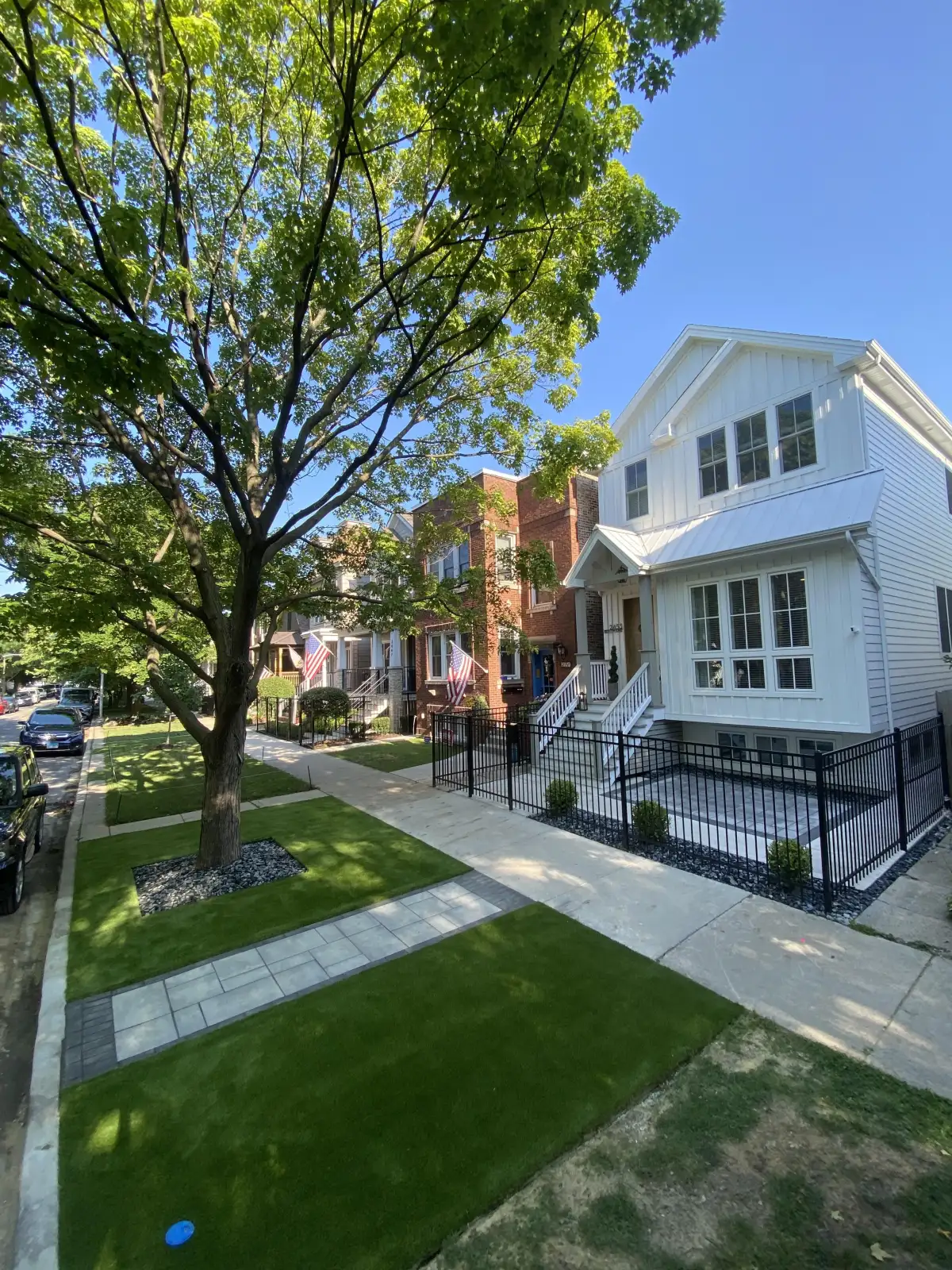
Outdoor Living Spaces in Michigan
A well-designed outdoor living space in Michigan can extend your usable living area by 200 to 500 square feet while adding 10-15% to your property value.
Your Backyard, Reimagined
Outdoor living in Michigan is not limited to a few summer months if your space is designed right. A covered patio with a gas fire feature and landscape lighting extends your usable outdoor season from April through November -- and on mild winter days, even further. The key is designing spaces that work with Michigan's climate, not against it.
We design and build complete outdoor living environments that function as true extensions of your home. Not just a patio with a couple of chairs -- full outdoor rooms with defined zones for cooking, dining, lounging, and entertaining. Each zone is built with weather-appropriate materials and features that handle Michigan's rain, snow, ice, and UV exposure.
As a family-owned company, we understand that your outdoor space is where memories happen. Our approach is to listen to how you actually want to use the space -- how many people you typically host, what activities matter to your family, how your dogs interact with the yard, and what your budget allows. Then we design a space that delivers exactly that, built to last decades.
Outdoor Living Features
From simple fire pit patios to full outdoor kitchens with covered dining, we build outdoor living spaces at every scale and budget.
Outdoor Kitchens
Custom outdoor kitchens with built-in grills, countertops, storage, sinks, and refrigeration. Constructed with weather-resistant materials and designed for Michigan's climate. Natural gas or propane connections, electrical for lighting and appliances, and proper drainage for sinks and ice bins.
Fire Pits & Fireplaces
Gas and wood-burning fire pits, linear fire features, and full outdoor fireplaces. The centerpiece of Michigan outdoor living -- fire features extend your season by weeks and create the gathering point that brings people together after dark.
Pergolas & Covered Patios
Shade structures, pergolas, and covered patio roofs that protect from rain and sun. Options range from open-beam pergolas that filter light to fully roofed structures with ceiling fans and mounted heaters for year-round comfort.
Built-In Seating
Custom seat walls, benches, and integrated seating around fire features and entertainment areas. Built with the same materials as your patio and retaining walls for a unified design. Reduces the need for standalone furniture that needs to be stored each winter.
Entertainment Zones
Dedicated areas for TVs, sound systems, games, and socializing. Outdoor-rated electrical, weatherproof media enclosures, and strategic placement that maximizes comfort and minimizes exposure to elements.
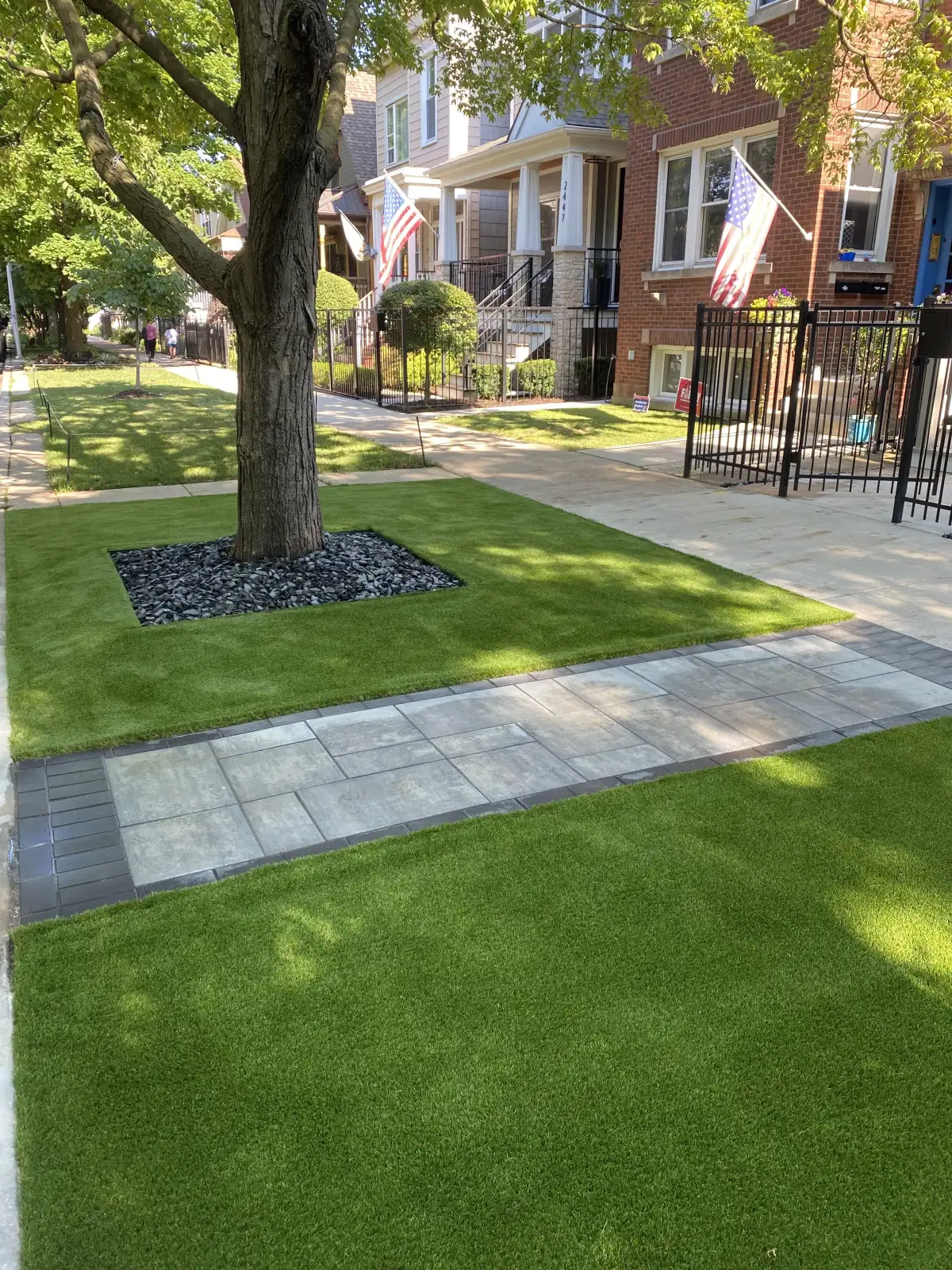
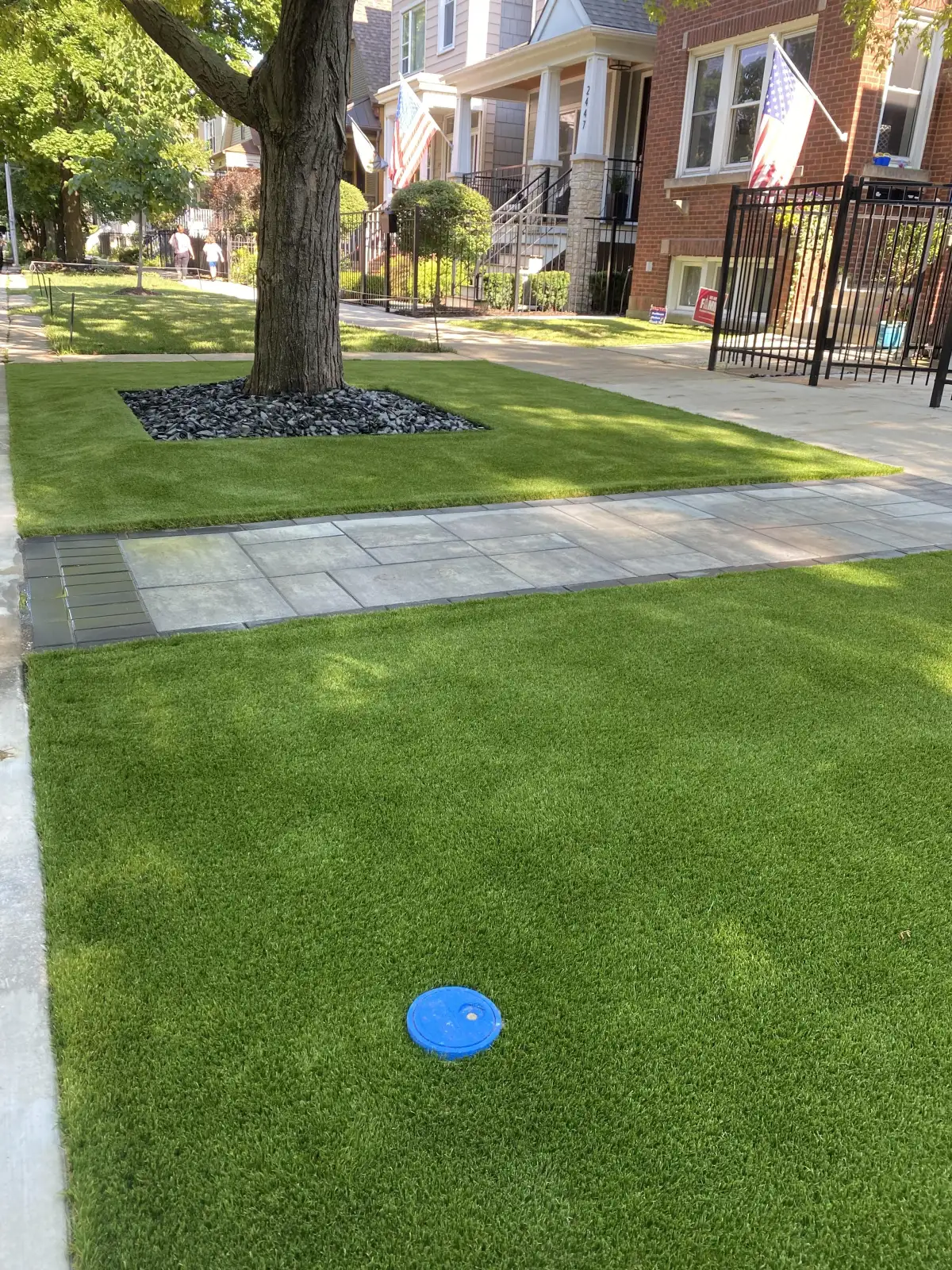
Turf Integration
Artificial turf areas surrounding outdoor living spaces create clean, maintenance-free green space that complements your hardscaping. No mud, no mowing, no dead patches from heavy foot traffic around entertainment areas.
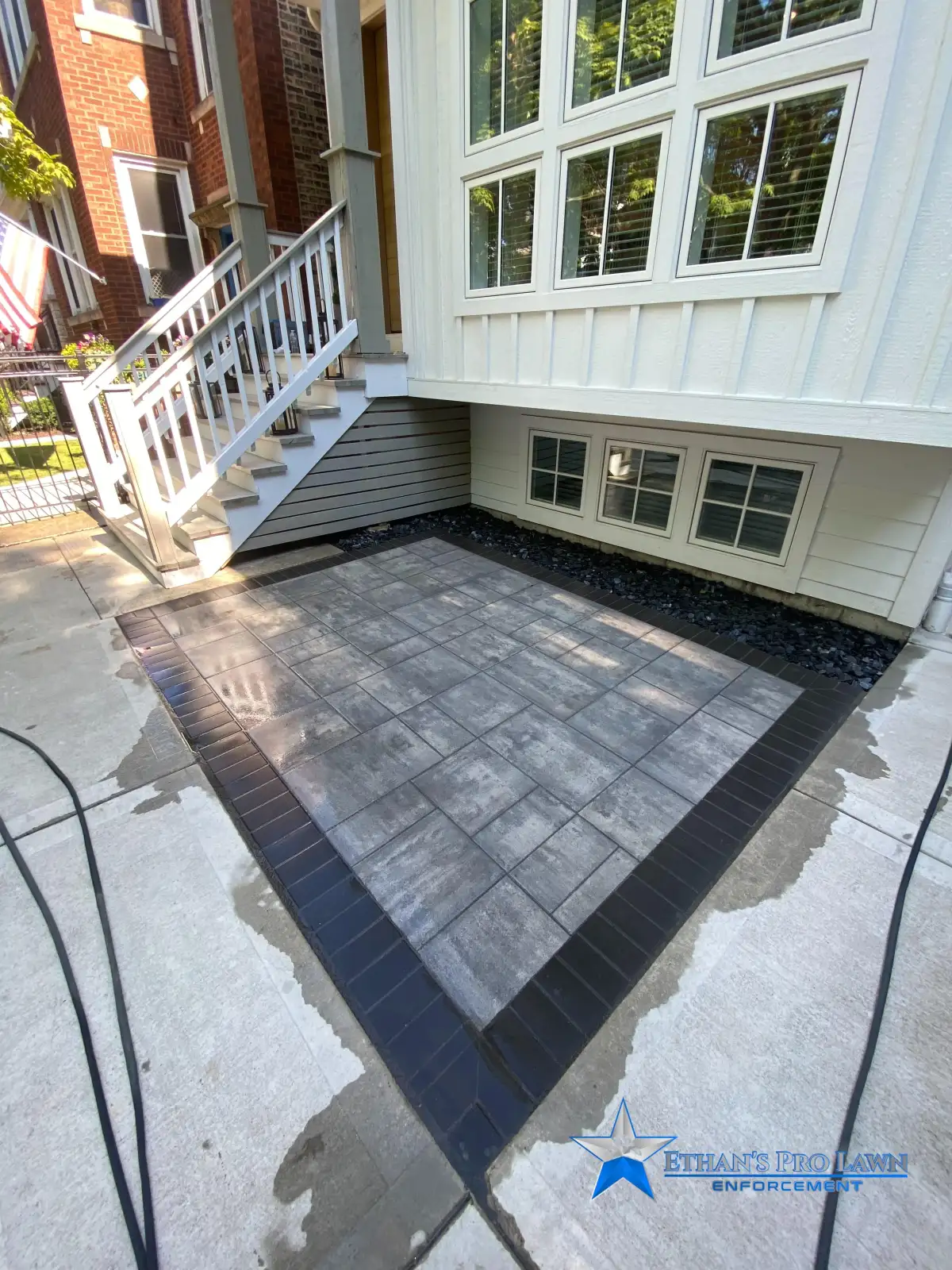
Outdoor Living Projects
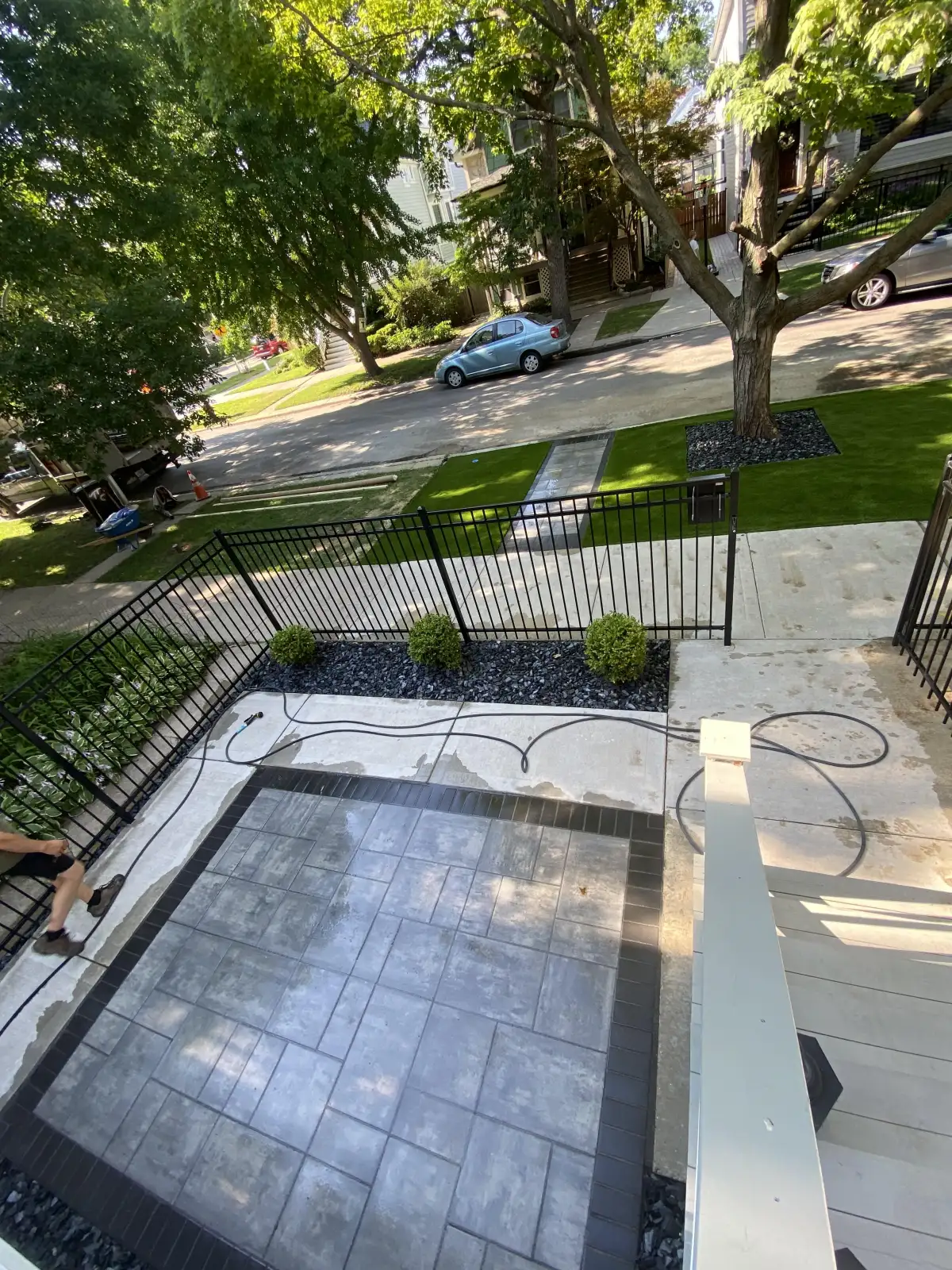
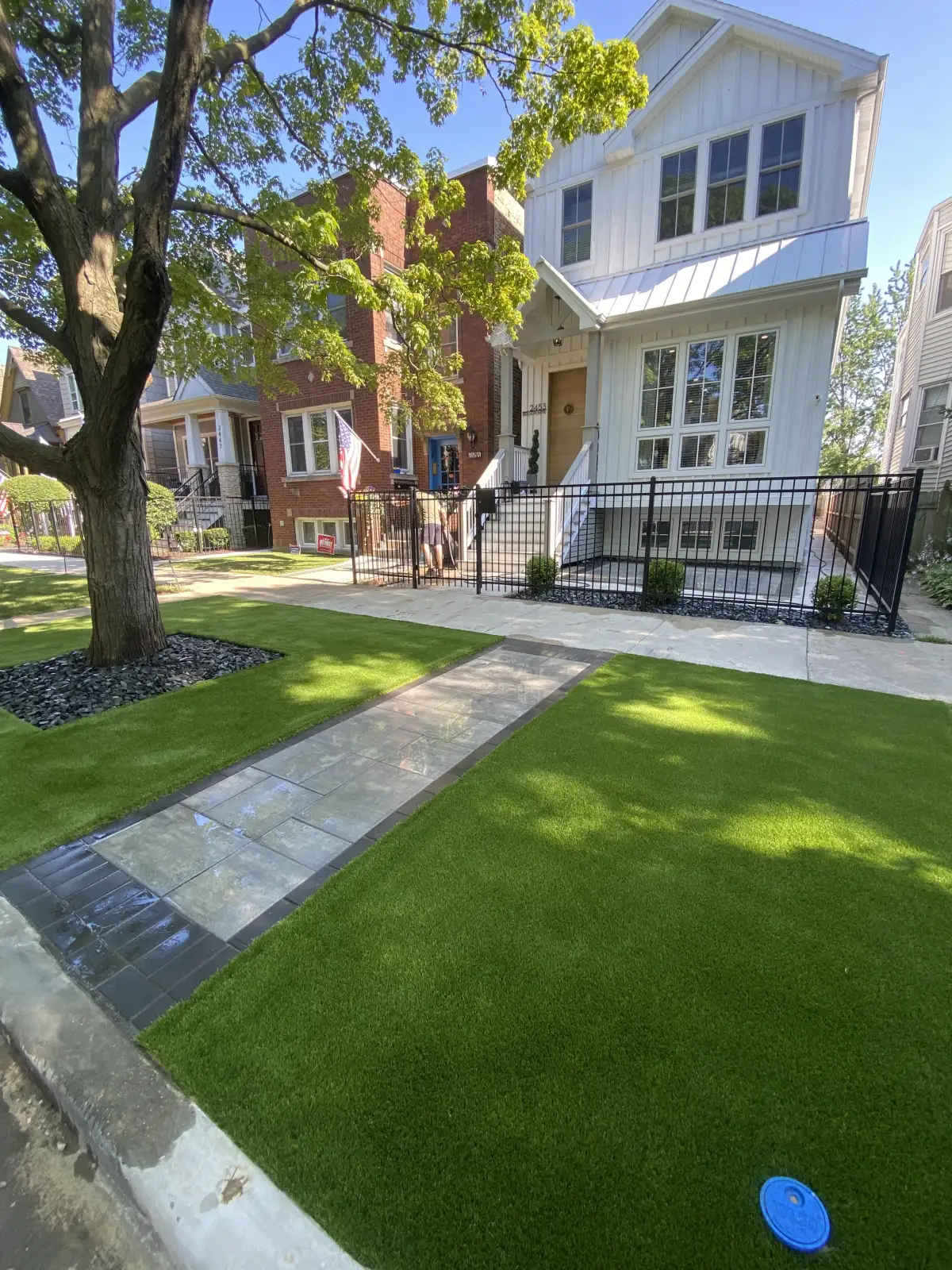
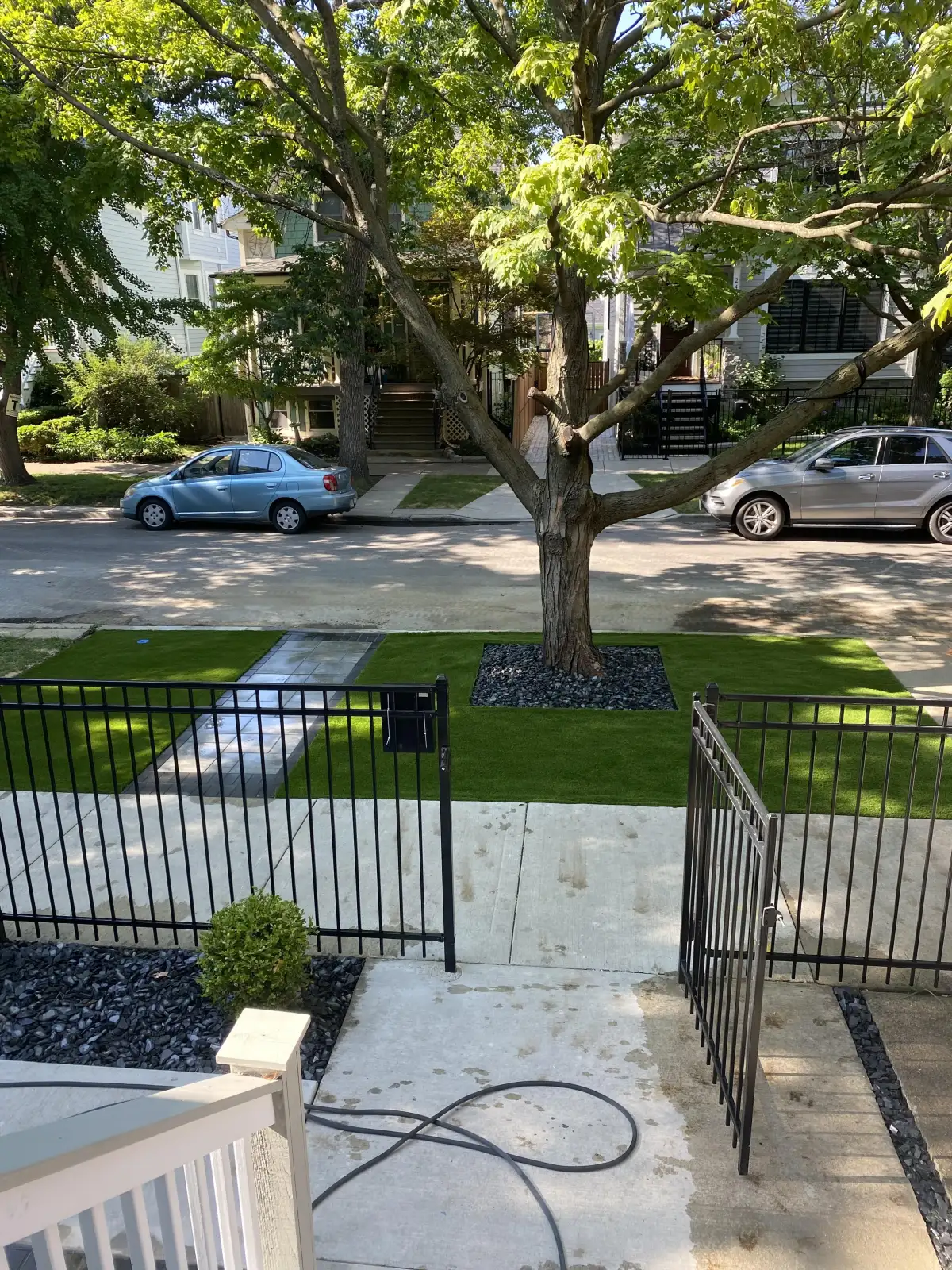
Complete outdoor living spaces designed and built by Great Lakes Synthetic Turf across Michigan.
Why Outdoor Living Spaces Pay for Themselves
According to the National Association of Realtors, outdoor living spaces return 60 to 80% of their investment at resale -- and that number climbs higher for well-designed spaces with fire features and outdoor kitchens. But the real return is in daily use.
Consider how often you would host friends and family if you had a dedicated outdoor cooking and dining area with comfortable seating around a fire. Consider the evenings spent outside instead of on the couch. Consider the kids playing on a clean turf surface while you cook dinner 20 feet away. That is the return on investment that does not show up on an appraisal.
- Property value increase -- outdoor living spaces add 10 to 15% to perceived property value and are consistently cited by real estate agents as a top buyer attraction
- Extended living space -- a 400-square-foot outdoor room adds the equivalent of a new room to your home at a fraction of the per-square-foot cost of interior construction
- Reduced restaurant spending -- homeowners with outdoor kitchens report eating out less frequently, saving thousands annually while enjoying better meals at home
- Year-round use -- with fire features, covered structures, and lighting, Michigan outdoor living spaces are usable 8 to 9 months of the year, not just the 4 to 5 months of peak summer
Outdoor Living FAQ
Outdoor living spaces vary widely based on scope. A patio with a fire pit and seating wall starts around $8,000 to $12,000. A larger space with an outdoor kitchen island, covered dining area, and landscape lighting typically ranges from $20,000 to $45,000. Full-scale projects with multiple zones, pergolas, outdoor kitchens, fire features, and turf areas can reach $50,000 or more. We design at every budget level and can phase projects over time if needed.
Gas grills and burners function normally in any temperature. The appliances themselves are rated for outdoor use year-round. The practical question is comfort -- with a covered structure, mounted heaters, and a nearby fire feature, many of our clients grill and entertain outdoors well into November and resume in March. Countertops and stone components are selected for freeze-thaw resistance, and plumbing is winterized for sinks and ice bins.
A simple patio with fire pit takes 1 to 2 weeks. A mid-range project with an outdoor kitchen, seating walls, and lighting takes 3 to 4 weeks. Comprehensive projects with multiple zones, covered structures, plumbing, and electrical may take 4 to 6 weeks. We provide a detailed construction timeline during the design phase so you can plan accordingly. Michigan's building season runs April through November for most outdoor construction.
It depends on the scope. Basic patios and fire pits typically do not require permits in most Michigan municipalities. Covered structures, outdoor kitchens with gas lines, electrical work, and retaining walls over a certain height often do. We handle all permitting requirements for your project, including site plans, structural drawings where needed, and scheduling inspections. Permit costs are included in our project estimates.
From Backyard Ideas to Buildable Spaces
A durable outdoor room needs more than attractive materials. We plan use, grade, utilities, drainage, privacy, and construction sequence before any patio, kitchen, or fire feature is built.
Discovery and Vision
We start with a conversation about how you live outdoors today and how you want to live outdoors in the future. How many people do you typically host? Do your kids or pets need dedicated play areas? How important is privacy from neighbors? Do you cook outside frequently or occasionally? Is a fire feature for ambiance, warmth, or both? These answers shape every design decision that follows. We also assess your property's orientation for sun and shade patterns, wind exposure, views worth preserving, and views worth screening.
Site Assessment and Feasibility
Before designing anything, we evaluate the practical realities of your site. Grade changes, soil conditions, drainage patterns, existing utilities, setback requirements, and HOA restrictions all affect what can be built and where. We check your property's survey for easements and building lines. For gas fire features and outdoor kitchens, we verify gas line access and capacity. For covered structures, we check local building codes for height restrictions, lot coverage limits, and permit requirements. This groundwork prevents costly surprises during construction.
Conceptual Design and Material Selection
With your vision and site conditions in hand, we create a conceptual layout showing zones, dimensions, flow patterns, and feature placement. We walk through material options -- paver styles, stone types, countertop materials, fire feature configurations -- with samples you can see and touch. We discuss artificial turf integration for surrounding lawn areas, lighting design for evening use, and drainage requirements based on your site's water management needs. The design evolves through your feedback until every detail reflects your priorities and budget.
Construction Sequencing
Outdoor living spaces involve multiple trades -- excavation, concrete, masonry, plumbing, electrical, and finish work. Because we handle all of these in-house, we sequence construction so each phase supports the next. Underground utilities go in first. Then grading and drainage. Then structural elements like retaining walls and footings. Then paving, countertops, and surface work. Finally, lighting, plantings, turf, and detail finishing. This logical sequence avoids the rework and damage that happens when multiple contractors work on top of each other without coordination.
Making the Most of Michigan's Seasons Outdoors
Michigan homeowners often assume their outdoor living space is limited to June through September. A well-designed space extends that window significantly. With the right features, you can start using your outdoor space in mid-April and continue through late November -- roughly 7 to 8 months of regular use compared to the 3 to 4 months most people expect.
Spring (April - May)
Gas fire features make spring evenings comfortable when temperatures hover in the 50s and 60s. Covered structures keep you dry during spring showers. Artificial turf eliminates the soggy, muddy yard that makes natural grass unusable for weeks during snowmelt and spring rain. By late April, a well-designed outdoor living space is fully functional while natural lawns are still brown and saturated.
Summer (June - August)
Peak outdoor season. Pergolas and shade structures provide relief from midday sun. Outdoor kitchens reduce indoor heat from cooking. Entertainment zones with lighting and sound keep gatherings going well past sunset. A backyard putting green provides daily recreation without leaving home.
Fall (September - November)
Fall is arguably the best outdoor living season in Michigan. Cool temperatures, autumn color, and football season make fire features the centerpiece of weekend gatherings. Gas fire pits, outdoor fireplaces, and mounted heaters extend comfortable outdoor time into November. Landscape lighting becomes increasingly important as days shorten -- a professionally lit outdoor space looks its best against fall's early sunsets.
Winter (December - March)
While heavy use slows during Michigan's coldest months, a covered patio with a fire feature and heaters remains usable for quick grilling sessions, morning coffee on mild days, and holiday gatherings. Gas fire features operate in any temperature. Artificial turf clears faster than natural grass after snowfall and does not turn to mud. The investment in your outdoor living space does not stop paying dividends when the temperature drops -- it just shifts how you use it.
Average Michigan Outdoor Season by Feature
An open patio without fire or cover is comfortably usable about 5 months per year. Adding a fire feature extends that to 7 months. Adding a covered structure brings it to 8 months. Adding mounted heaters pushes it to 9 months or more for brief daily use. Each feature you add extends the return on your investment by adding weeks or months of usable outdoor time.
Outdoor Room Planning Questions
Fire features are consistently the most requested element in Michigan outdoor living projects. Gas fire pits and fireplaces extend the usable outdoor season by months and create a natural gathering point for family and guests. After fire features, outdoor kitchens and covered patios are the next most popular additions. Many clients combine all three into a cohesive outdoor room that functions as a true extension of their home's living space.
Absolutely. Small backyards often benefit the most from intentional outdoor living design because every square foot needs to work harder. A compact 200 to 300-square-foot space can include a patio with built-in seating, a fire pit, a small artificial turf area, and landscape lighting -- all designed to feel larger than the actual footprint. We use techniques like multi-functional built-in seating that doubles as storage, vertical plantings that add greenery without consuming floor space, and strategic lighting that creates depth and visual interest. Some of our most impressive projects have been on properties with limited outdoor space.
All materials and construction methods we use are rated for Michigan's freeze-thaw conditions, so the structures themselves require no special winterization. Paver patios, stone walls, and fire feature surrounds handle winter without protection. For outdoor kitchens, we winterize plumbing lines if water features are present, cover built-in grills and appliances with fitted covers, and disconnect gas to burners that will not be used until spring. Countertops made from granite, quartzite, or porcelain are naturally freeze-thaw resistant. We provide a winterization checklist specific to your project at completion so you know exactly what to do each fall -- it typically takes less than an hour.
Create Your Outdoor Living Space
Schedule a free design consultation to explore what is possible for your backyard. We will listen to your vision, assess your property, and create a custom plan with exact pricing.