
Drainage Contractor in Michigan
Michigan's high water table and clay-heavy soils make proper drainage critical for protecting your home's structure and maintaining a usable yard.
Protect Your Property from Water Damage
Water damage costs Michigan homeowners thousands of dollars annually in footing repairs, basement waterproofing, and landscape restoration. Most of these problems are preventable with a properly designed drainage system that moves water away from your home and off your property efficiently.
We specialize in drainage systems that work specifically in Michigan's challenging soil conditions. Our installations use the same excavation equipment, grading expertise, and stone base knowledge that we apply to our turf installations -- because the principles of effective water management are the same: move water through clean stone, away from structures, and into proper discharge points.
Every drainage project starts with a thorough assessment of your property's water flow patterns, soil composition, and existing infrastructure. We identify where water collects, where it enters, and where it needs to go -- then design a system that handles the volume Michigan's rainfall and snowmelt produces.
Drainage Systems We Install
The right drainage solution depends on the source of your water problem. We install five primary types of drainage systems, often combining multiple approaches for complete water management.
French Drains
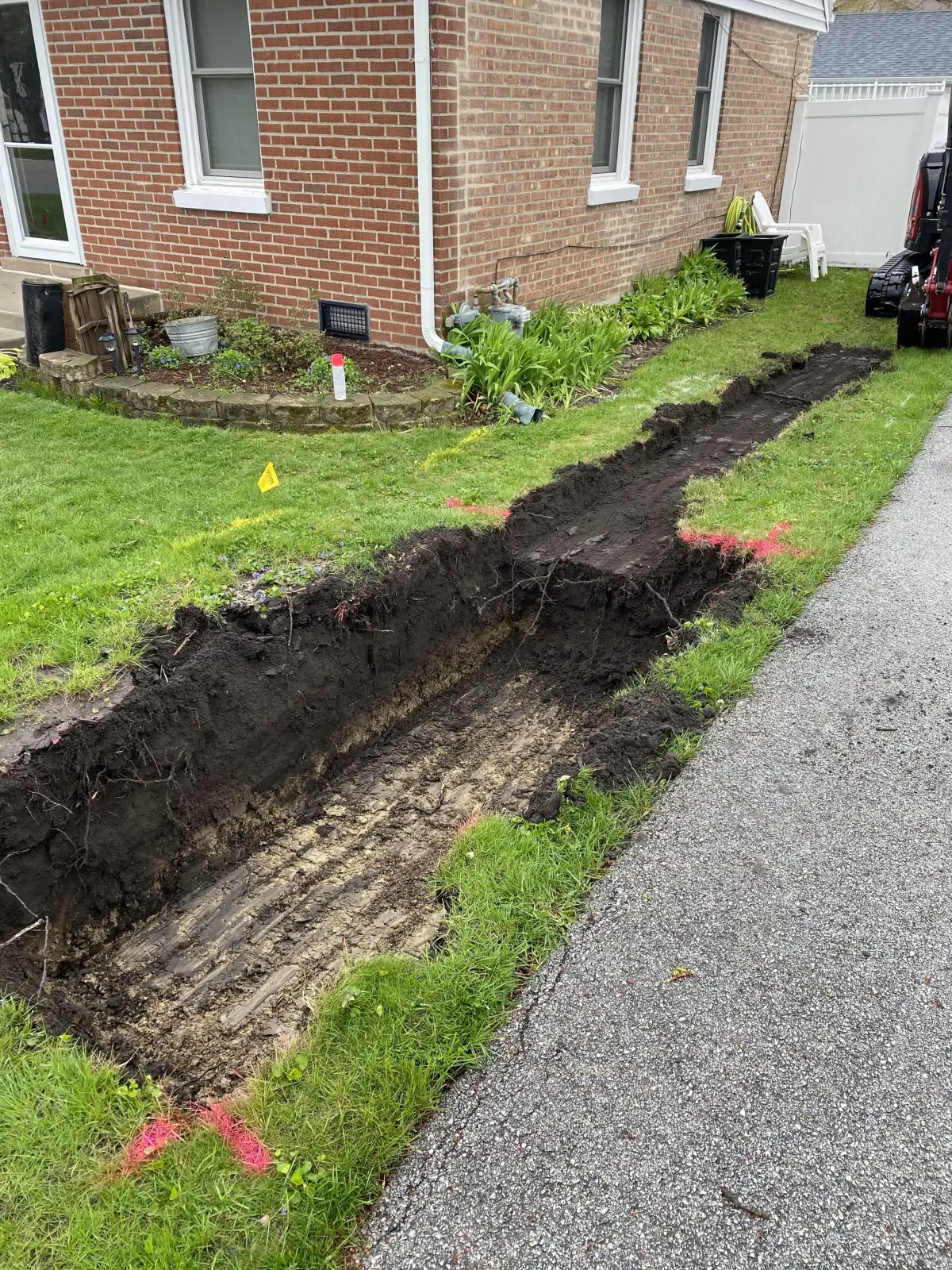
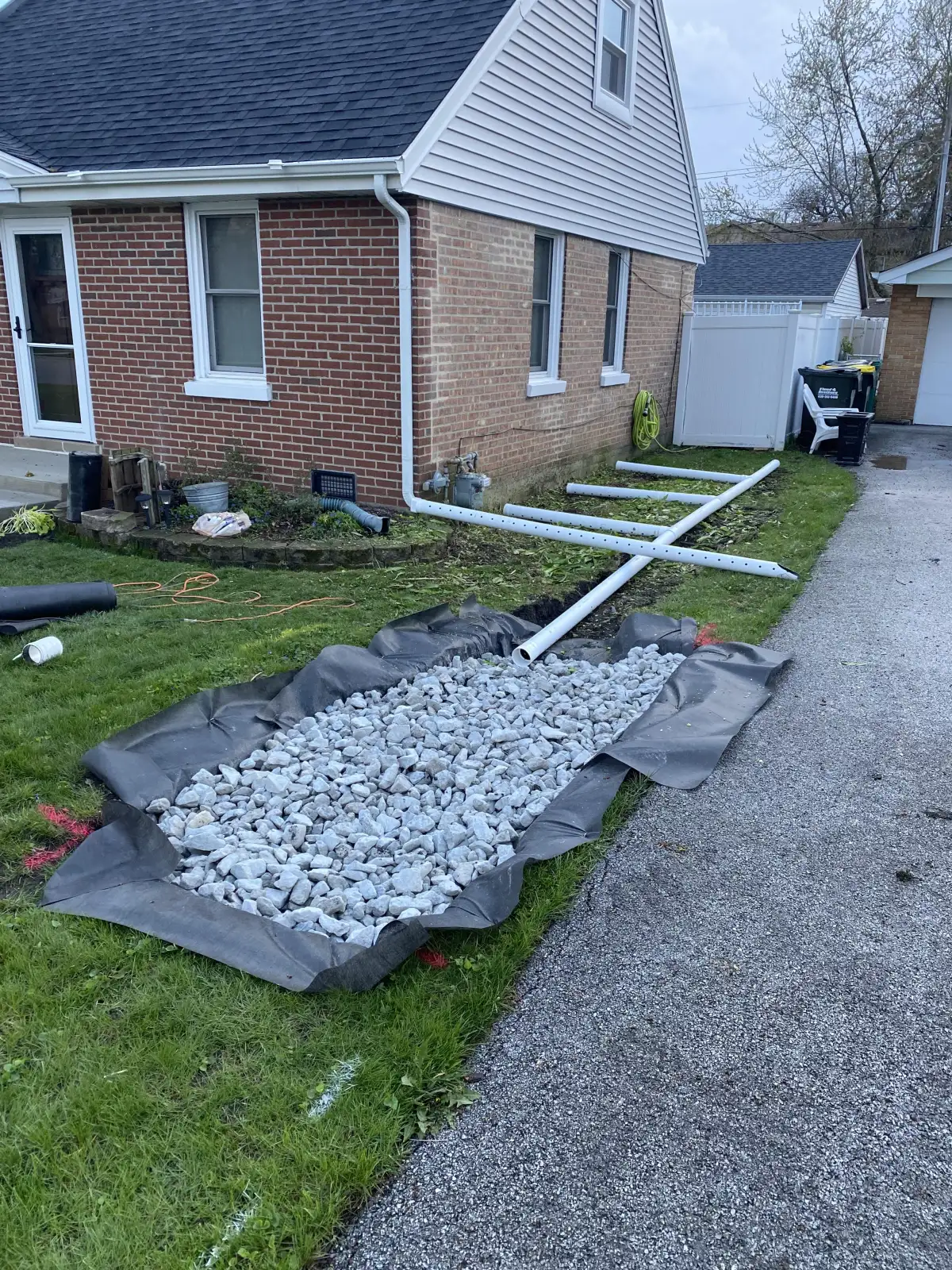
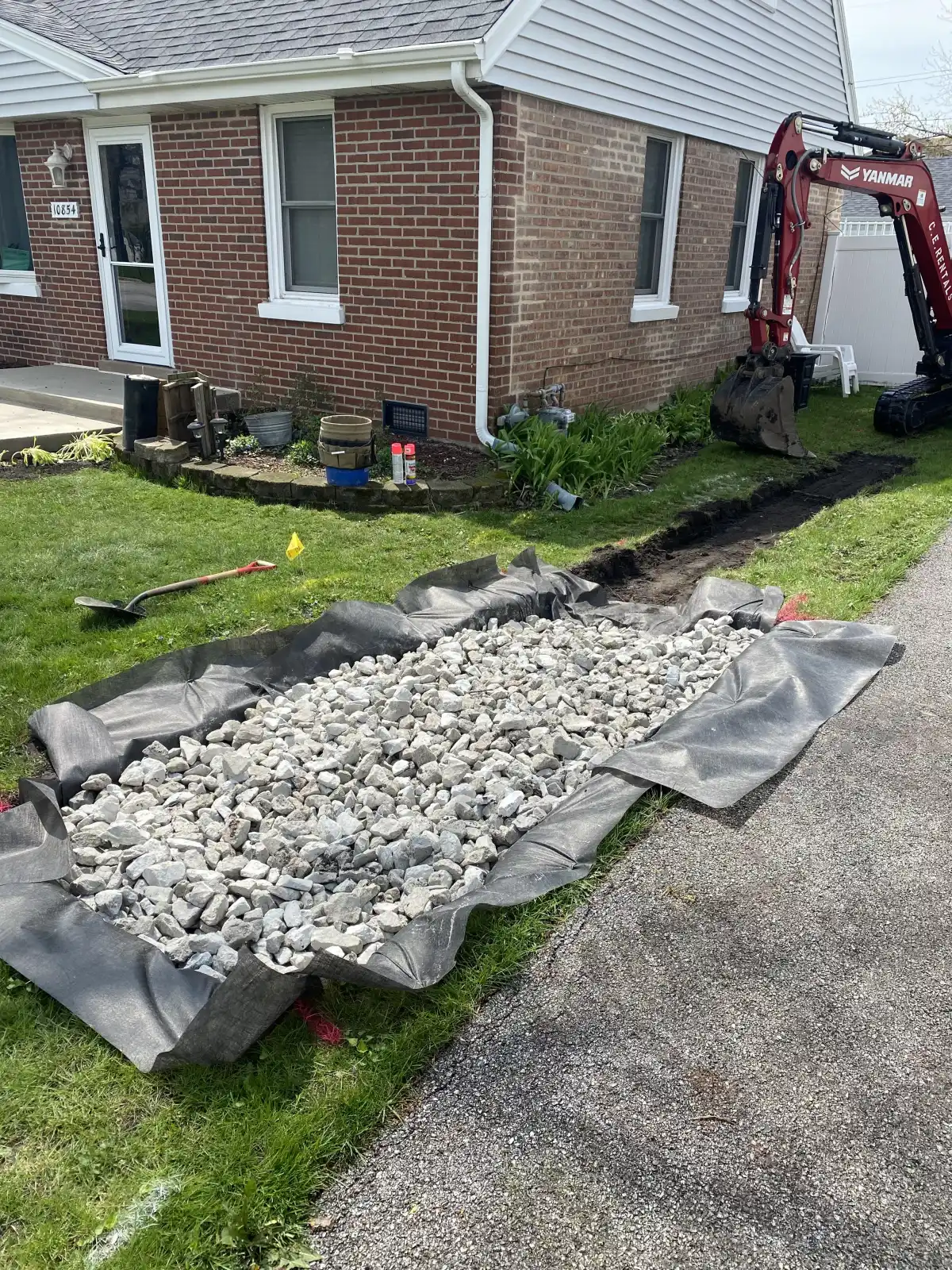
Perforated pipe buried in a trench filled with drainage stone. Collects subsurface water along its entire length and redirects it to a discharge point. The most effective solution for soggy yards, wet basements, and high water table areas.
Channel Drains
Surface-mounted linear drains that intercept sheet flow across driveways, patios, and walkways. Essential for directing water away from garage entrances, pool decks, and paved areas where water collects.
Catch Basins
Below-grade collection points that capture surface water from low spots, downspout discharge, and graded areas. Connected to underground pipe that carries water to a safe discharge location away from your home.
Sump Discharge Routing
Underground pipe that carries sump pump discharge away from your home. Prevents the common problem of sump water recycling -- where discharged water re-enters the ground near the home and gets pumped out again.
Grading & Regrading
Reshaping the ground surface to create positive slope away from structures. Often the first step in any drainage plan -- if water naturally flows toward your house, no amount of pipe or stone will fully solve the problem without correcting the grade first.
Dry Wells & Infiltrators
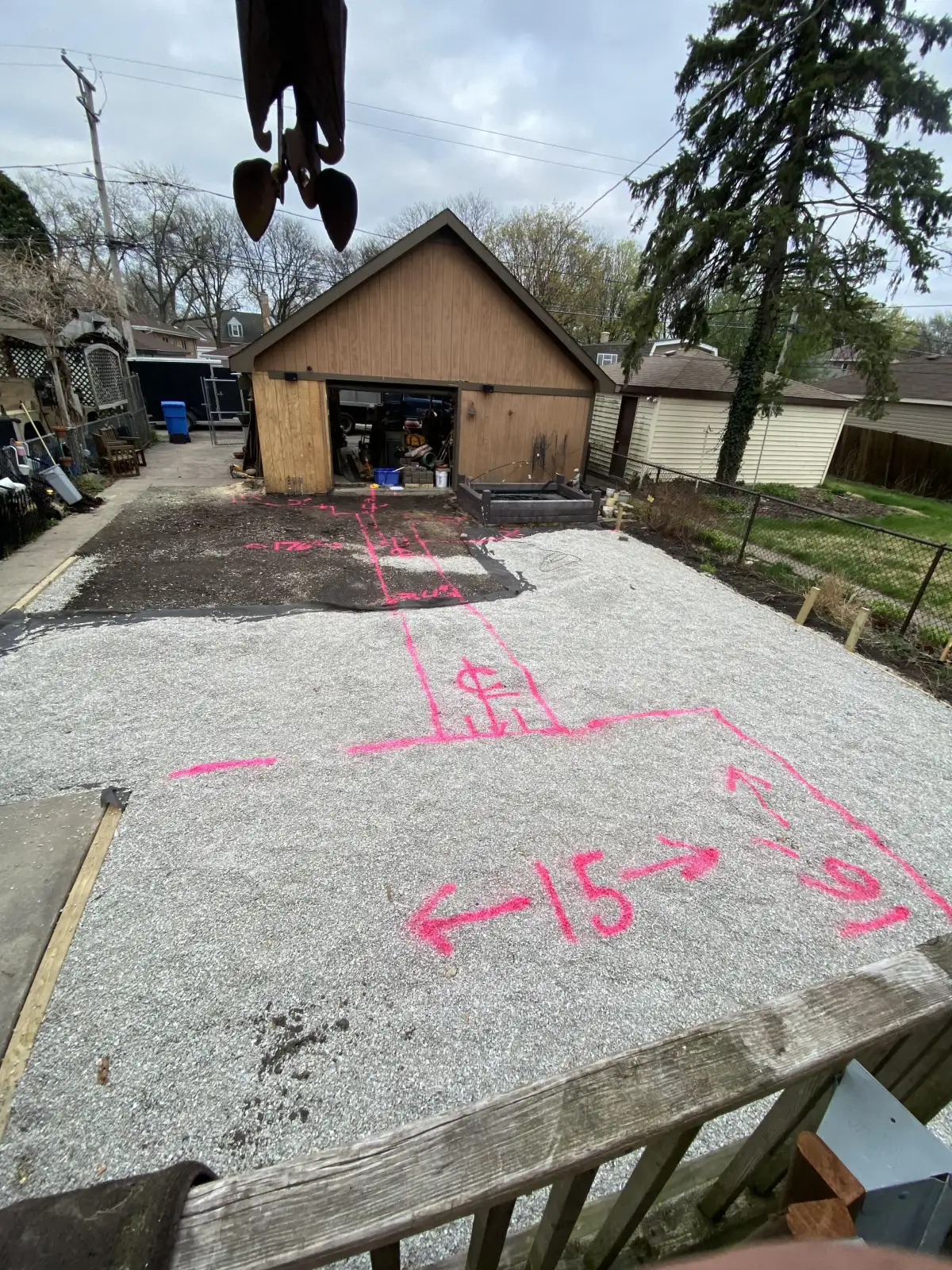
Underground collection chambers that hold runoff water and allow it to slowly infiltrate into the surrounding soil. Ideal for properties where discharge to storm drains or daylight outlets is not available.
Drainage Challenges Unique to Michigan
Michigan presents drainage challenges that installers in warmer climates never encounter. Our systems are designed specifically for the conditions Michigan properties face year-round:
- Clay soil -- Michigan's predominant soil type is heavy clay, which absorbs water slowly and expands significantly when wet. This creates hydrostatic pressure against foundations and prevents natural drainage that sandier soils provide
- High water table -- Many Michigan properties sit on water tables that rise within 2 to 4 feet of the surface during spring months, saturating basements and crawl spaces even without rainfall
- Freeze-thaw cycles -- Over 100 freeze-thaw cycles per winter cause the ground to heave and settle repeatedly, which can damage improperly installed pipe, separate joints, and shift catch basin positions
- Spring snowmelt -- Michigan's snowpack delivers enormous water volume in a short period during March and April, overwhelming undersized drainage systems and creating temporary flooding conditions that damage landscapes
Every drainage system we install accounts for these conditions. We use Schedule 40 pipe that withstands ground movement, double-walled corrugated pipe for deep runs, and stone backfill that prevents soil migration into pipe perforations.
Drainage Projects
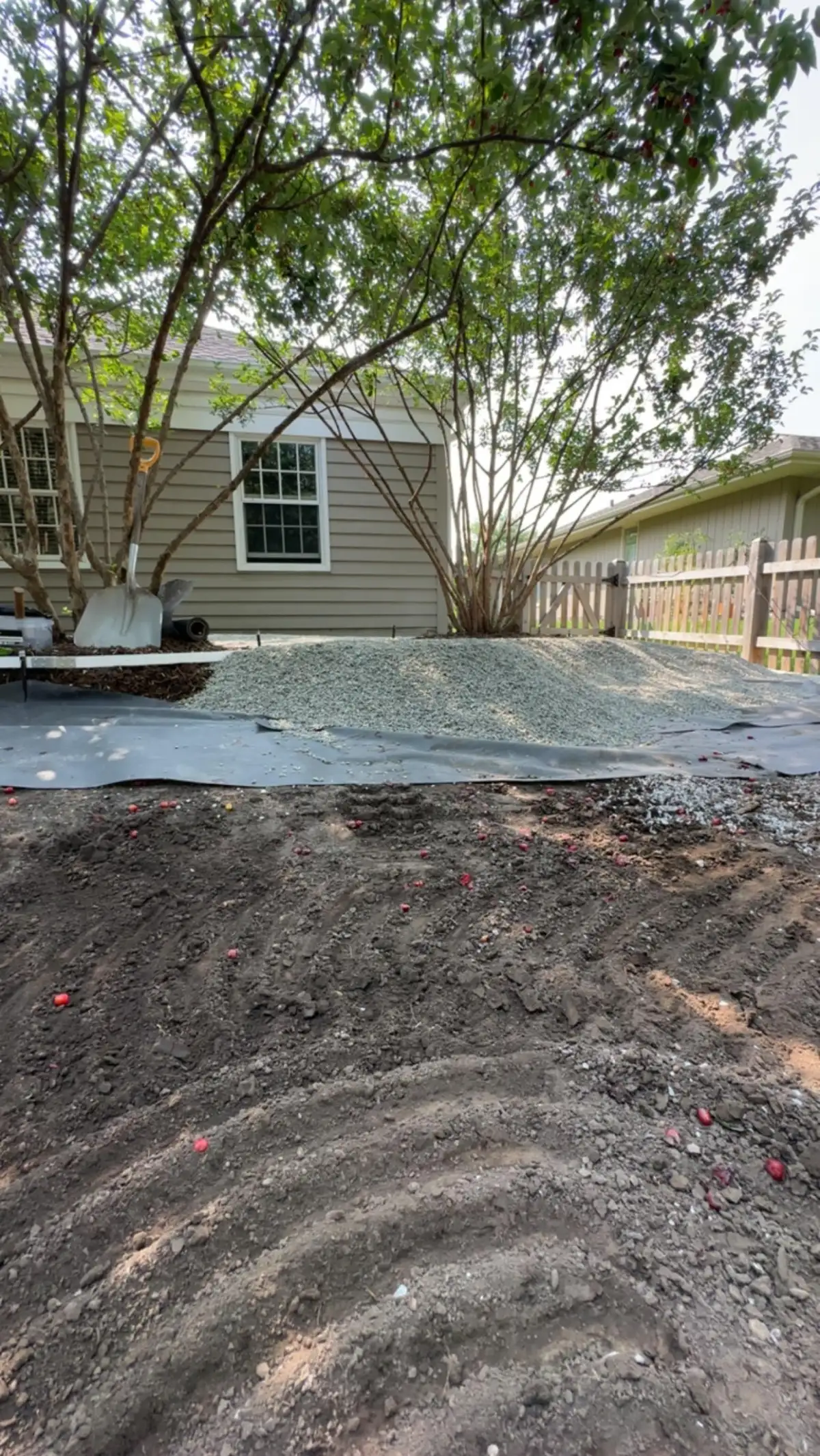
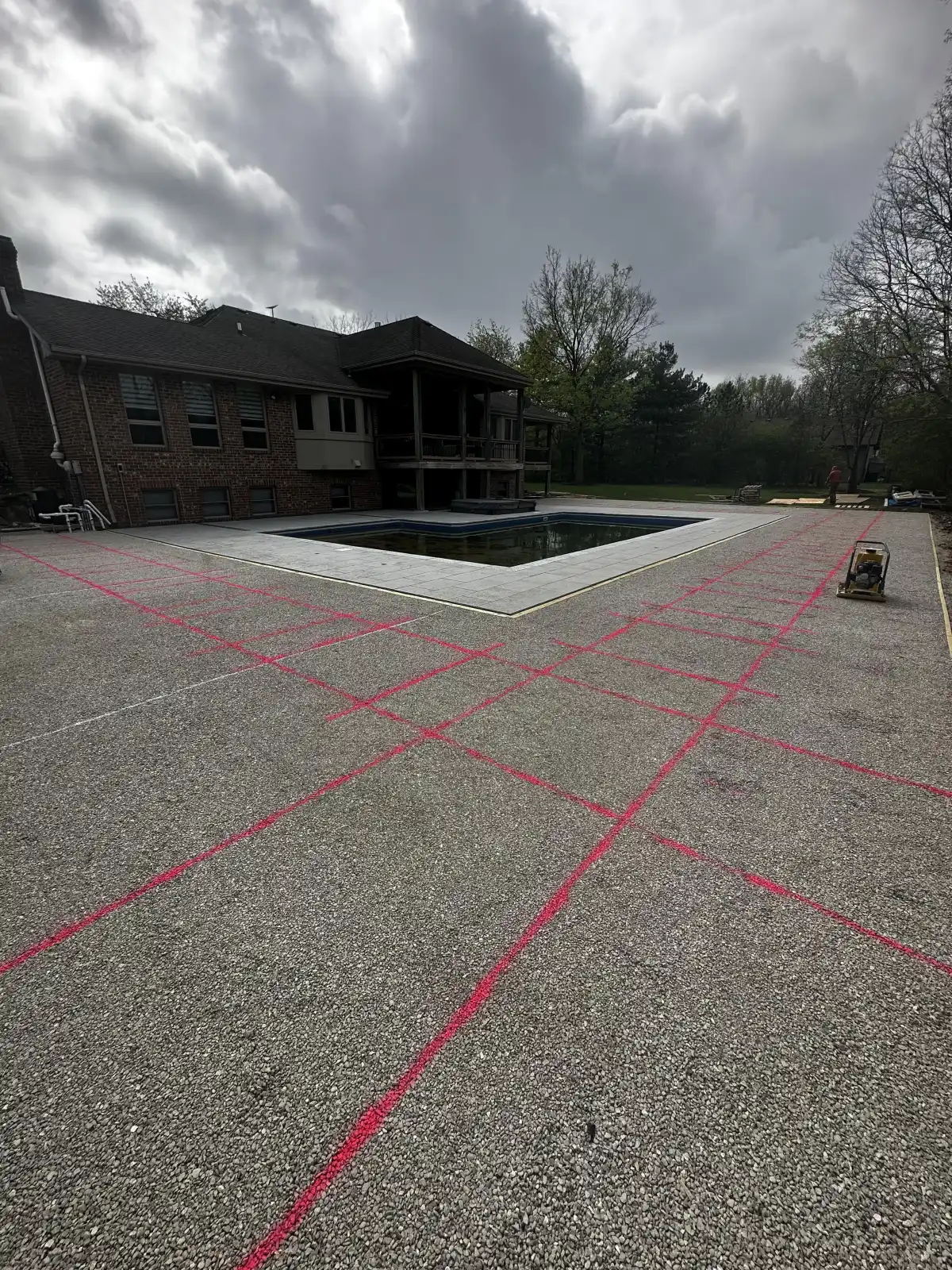
Drainage solutions designed and installed by Great Lakes Synthetic Turf across Michigan.
Drainage FAQ
Common signs include: standing water in your yard after rain, a consistently wet or soggy basement, water stains on basement walls, mushy or spongy lawn areas, downspout water pooling near the home, or erosion channels forming across your landscape. If any of these conditions exist, a drainage assessment can identify the source and solution. We offer free on-site assessments.
A residential French drain in Michigan typically costs between $25 and $50 per linear foot installed, depending on depth, soil conditions, and accessibility. A typical project of 50 to 100 linear feet runs between $1,500 and $5,000. More complex systems involving multiple runs, catch basins, sump discharge routing, and grading corrections will be higher. We provide exact pricing after a free on-site assessment.
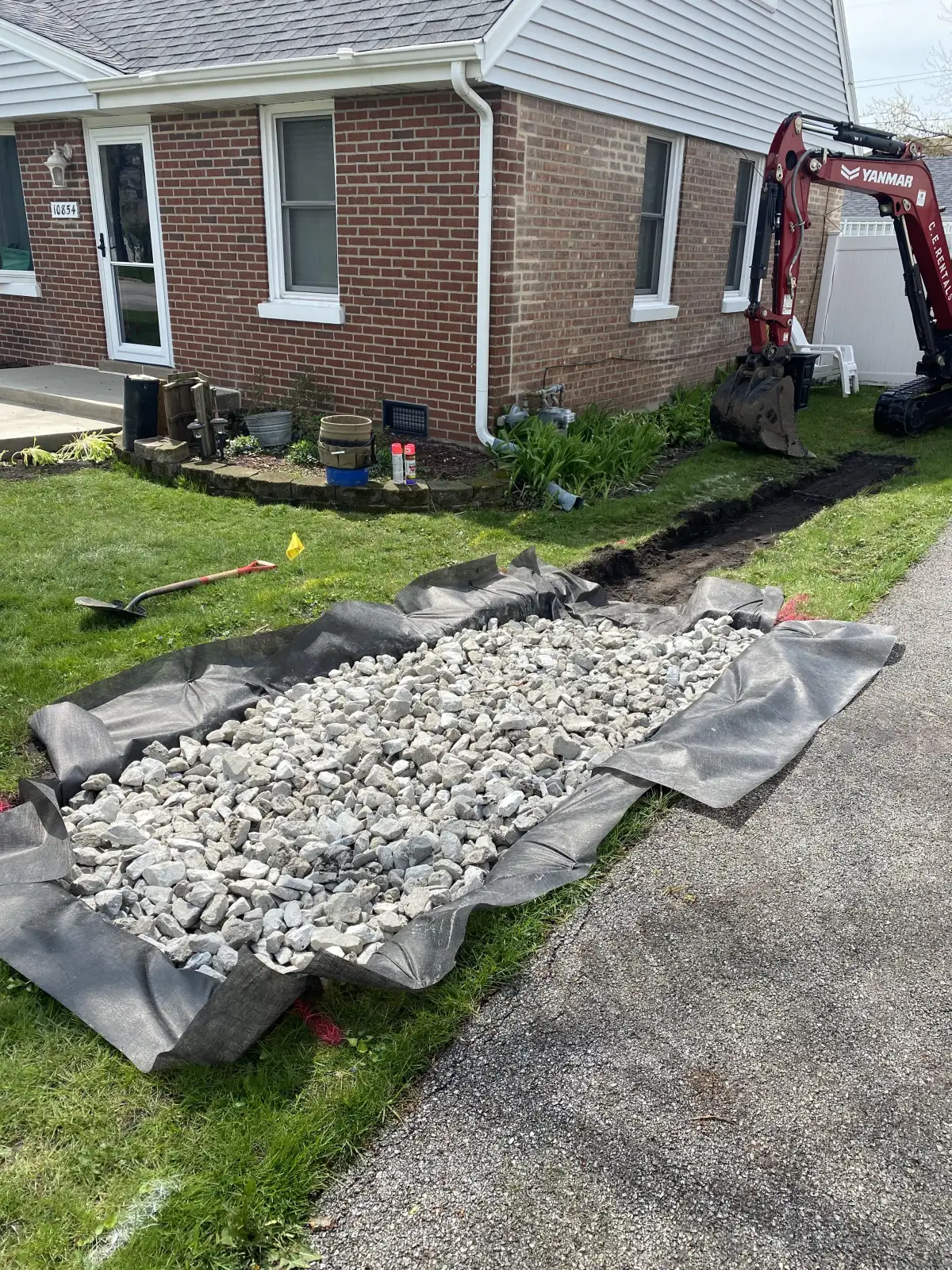
Drainage installation requires trenching, which will temporarily disturb the areas where pipe is routed. We plan trench routes to minimize impact on established landscaping, trees, and hardscaping. After installation, trenches are backfilled with stone and topsoil, and sod or seed is installed to restore the surface. Most yards fully recover within 4 to 6 weeks during growing season.
Yes -- and this is often the most cost-effective approach. Since turf installation already involves excavation and stone base work, adding drainage to the same project reduces overall labor and disruption. We frequently install French drains, catch basins, and downspout routing as part of a comprehensive turf and drainage project. The turf's drainage stone base itself becomes part of the overall water management system.
When Your Property Needs Professional Drainage
Early intervention prevents the expensive structural damage that unresolved water problems cause over time.
Many Michigan homeowners tolerate minor water issues for years before addressing them, not realizing that the damage compounds with every season. Standing water against basement walls does not just feel like a nuisance -- it creates hydrostatic pressure that forces moisture through basement walls, deteriorates mortar joints in block walls, and accelerates the corrosion of steel reinforcement in poured concrete walls.
Yard drainage problems also affect the value and usability of your outdoor space. Persistent wet areas kill grass, promote mosquito breeding, and make sections of your yard unusable for weeks after each rain event. In Michigan, where spring snowmelt can saturate the ground for the entire month of April, a property without adequate drainage effectively loses a third of its usable outdoor season to standing water and mud.
These are the conditions that warrant a professional drainage assessment:
- Water pooling within 5 feet of your home for more than 24 hours after rainfall -- this indicates negative grade or insufficient downspout routing that puts your home at risk
- Basement wall staining or efflorescence (white mineral deposits on concrete or block walls), which shows moisture is migrating through basement walls under pressure
- Sump pump running continuously during spring months, especially if it cycles more than 4 to 6 times per hour -- this signals a high water table that exterior drainage could alleviate
- Erosion channels or soil displacement in your landscape, showing that surface water is moving with enough velocity to carry soil particles and damage plantings
- Soggy or spongy lawn areas that persist for more than 48 hours after the last rainfall, indicating subsurface saturation that surface grading alone cannot solve
- Driveway or walkway heaving and cracking caused by water expanding during freeze cycles beneath improperly drained hardscape installations
Drainage and Turf Installation Integration
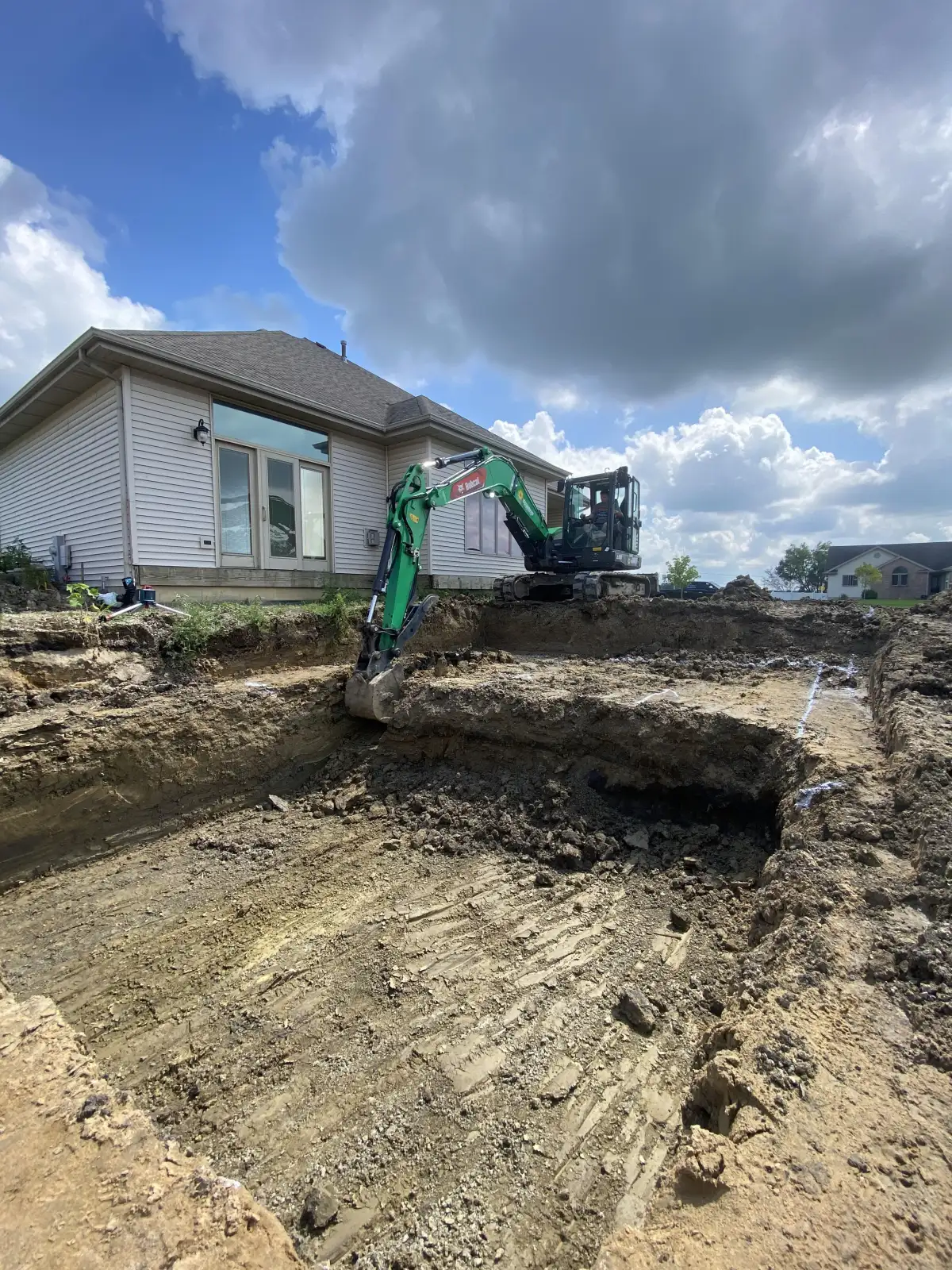
Drainage work and artificial turf installation share the same foundational requirements: excavation, grading, and stone base construction. When both services are combined into a single project, the overlap reduces total cost by 15 to 25 percent compared to doing them as separate jobs.
The turf's drainage stone base itself becomes a functional part of the property's water management system. A properly installed 4- to 6-inch compacted base layer handles rainfall rates exceeding 2 inches per hour across the entire turf surface. For properties with broader drainage concerns, we integrate French drains, catch basins, and downspout routing into the turf project's excavation phase so that no area is disturbed twice.
This integrated approach is particularly effective for Michigan properties that experience both yard flooding and turf damage from heavy use, pet traffic, or persistent shade. The drainage system solves the water problem while the artificial turf provides a durable surface that no amount of moisture, foot traffic, or shade can kill. The combined result is a yard that stays dry, green, and usable through every Michigan season.
Stop Water Damage Before It Starts
Schedule a free drainage assessment. We will identify where water is coming from, where it needs to go, and design a system that protects your property permanently.