Artificial Grass Installation in Michigan
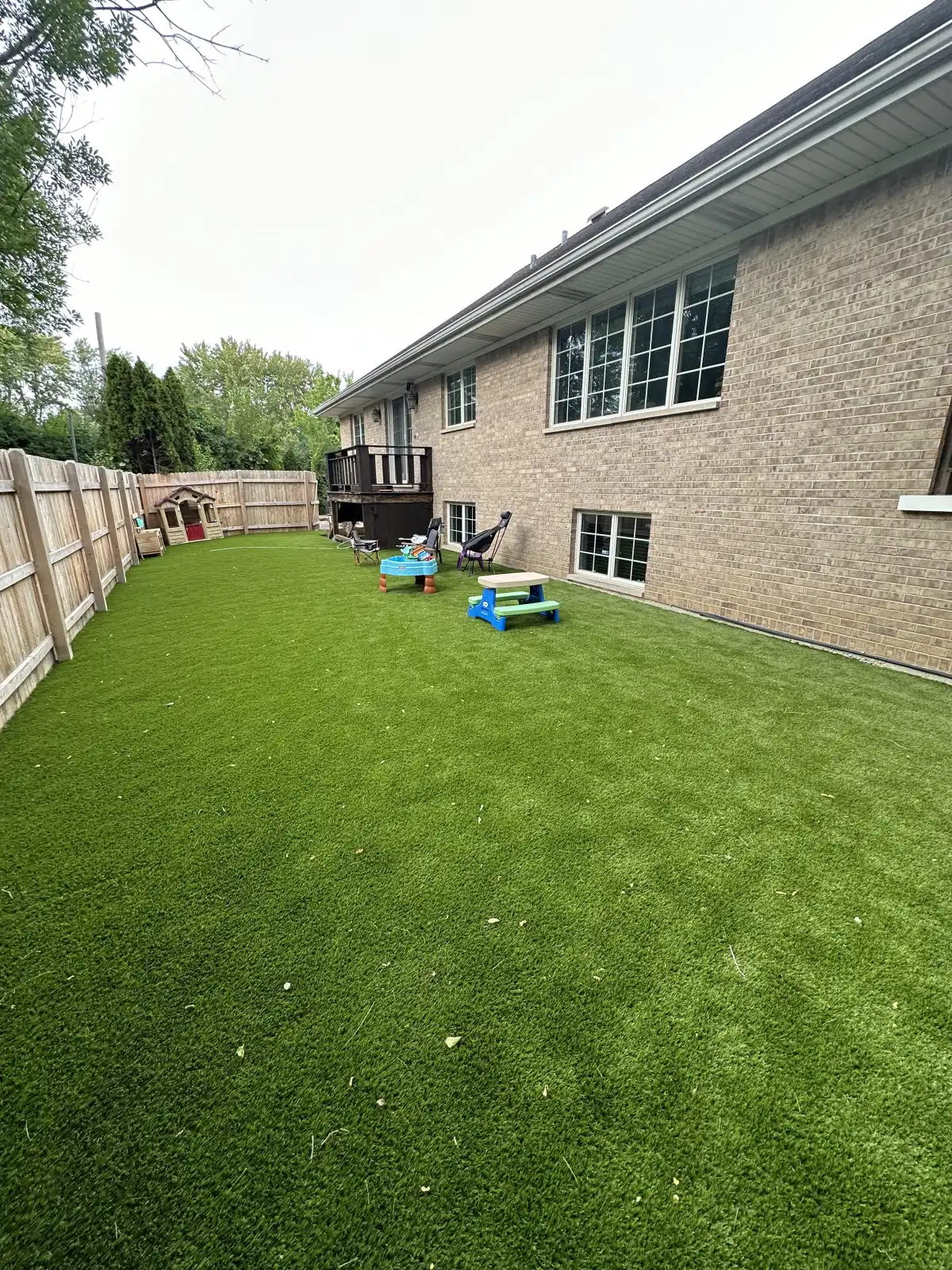
Artificial grass gives Michigan homeowners a clean, usable lawn surface in places where natural grass struggles: shaded side yards, lake homes, dog-worn paths, compact urban lots, and high-traffic family play areas.
Built for Lawn Areas That Need to Stay Clean
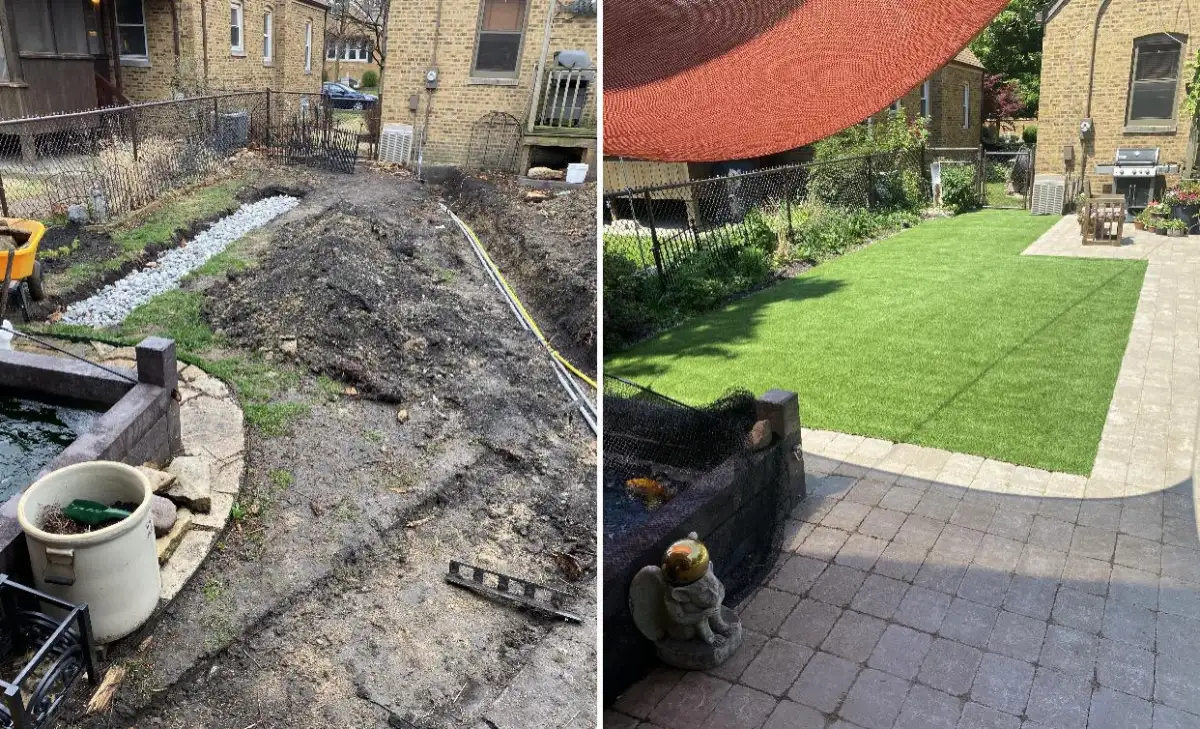
Artificial grass installation is different from simply rolling turf over a yard. The finished surface has to drain, stay flat, resist edge movement, and look appropriate next to planting beds, patios, walks, and existing landscape grades. Great Lakes Synthetic Turf treats these projects as outdoor construction, not temporary lawn covering. We excavate unstable material, install a drainage stone base, compact the profile, frame or secure the perimeter, and finish the surface with turf selected for the way the space will actually be used.
Michigan properties create a wide range of lawn problems. Mature trees block sunlight in older neighborhoods. New construction sites often have compacted clay and disturbed subgrade. Lakefront homes deal with sand, runoff, and seasonal use. Small city lots get heavy foot traffic from kids, pets, and outdoor entertaining. Artificial grass solves those issues only when the base is designed correctly. A shallow install over soil can wrinkle, hold water, smell, or move after freeze-thaw cycles. A built system gives water somewhere to go and gives the turf a stable surface to sit on.
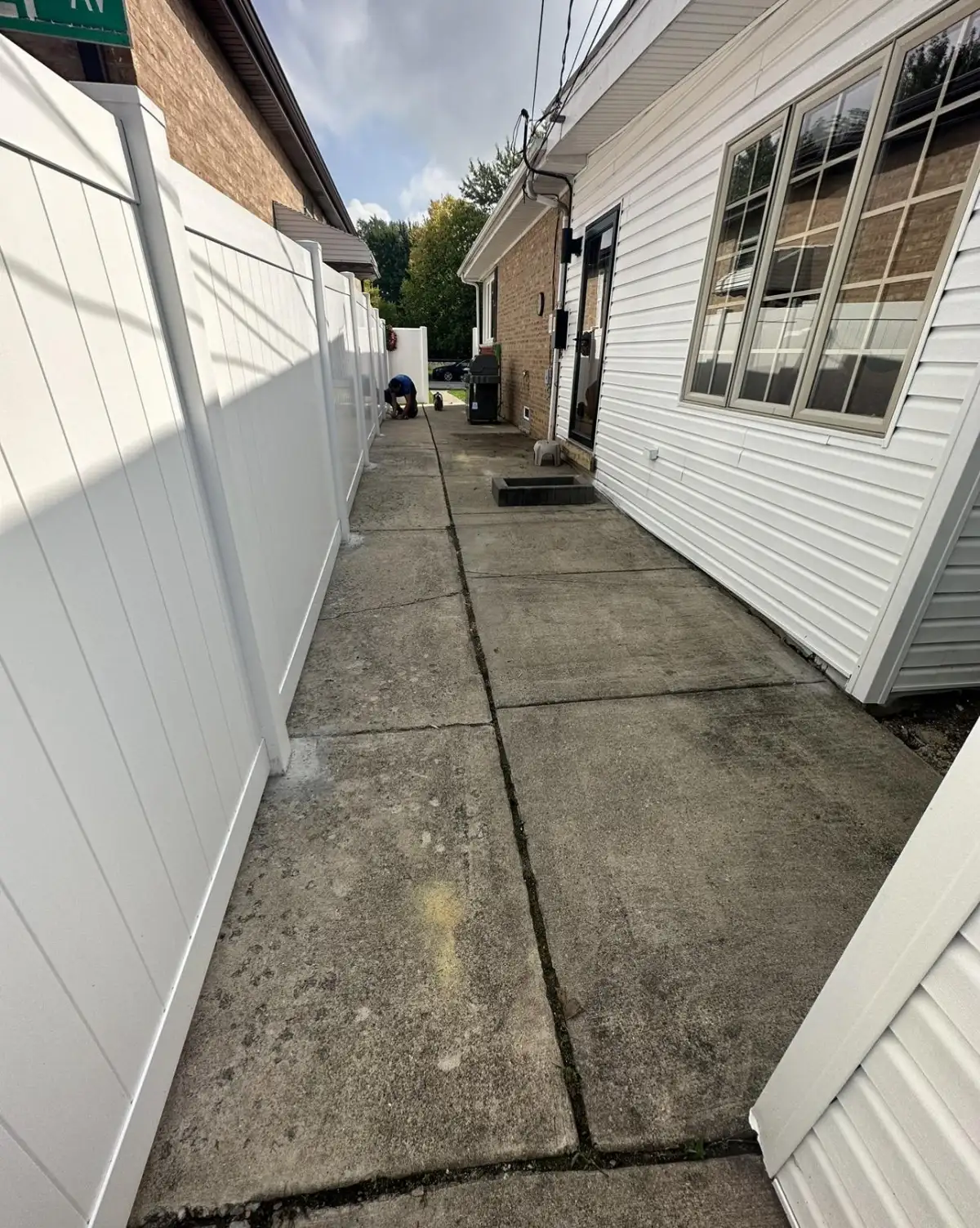
Our artificial grass projects are commonly used for front-yard accents, backyard lawn replacements, play zones, side yards between homes, pool-adjacent spaces, cottage lawns, and narrow strips where mowing is awkward. We also integrate artificial grass with paver patios, stepping stones, retaining walls, outdoor kitchens, putting greens, and landscape lighting. The goal is not to make every property look the same. The goal is to create a practical green surface that fits the property and reduces recurring maintenance.
How We Build an Artificial Grass Lawn
Every yard is different, but the sequence matters. A lasting artificial grass installation depends on excavation, drainage, edge restraint, and finishing details that match the site.
Site Review
We look at shade, grade, downspouts, access, soil conditions, surrounding hardscape, and how the area will be used before recommending a turf product or base depth.
Excavation and Base
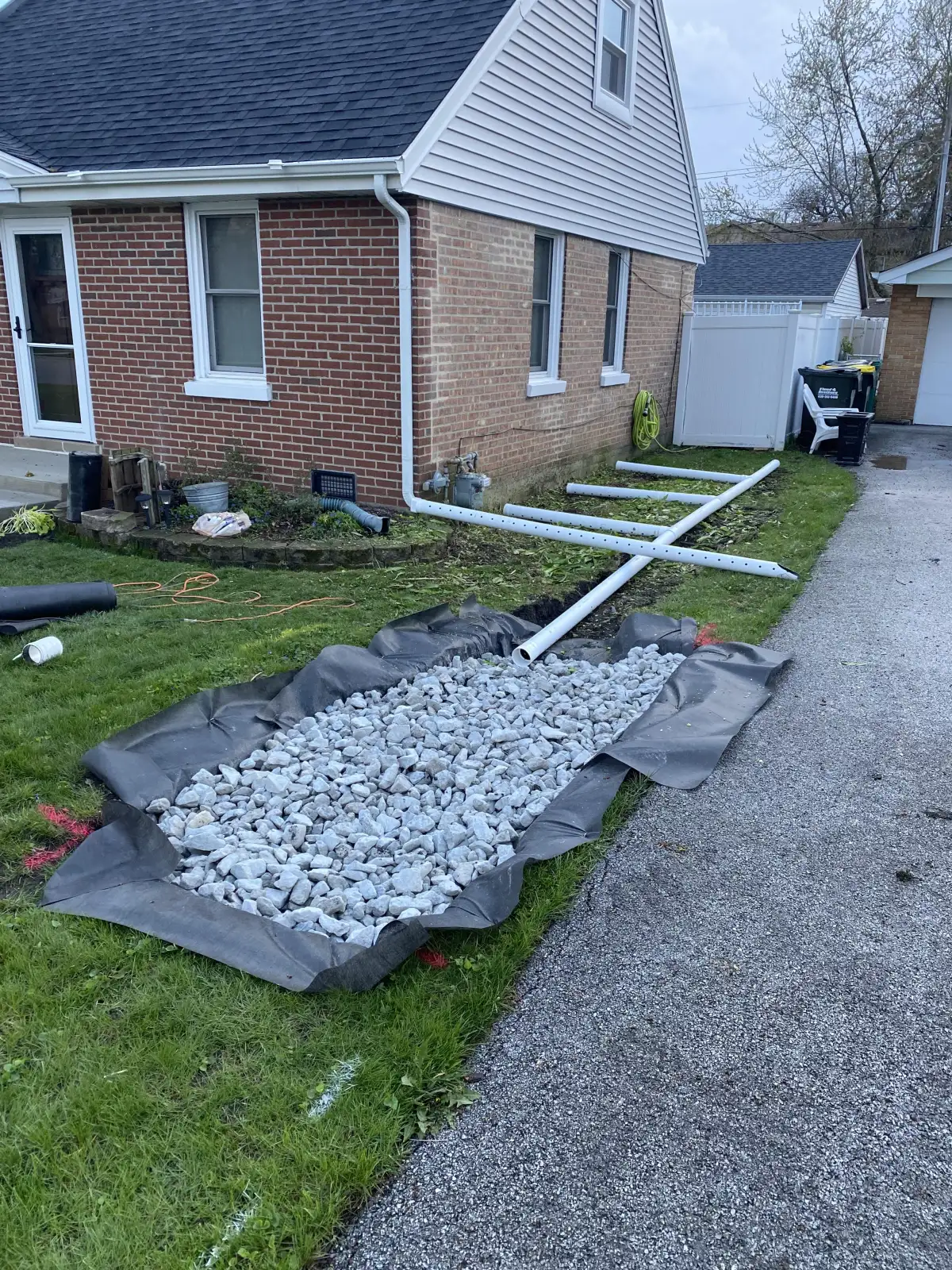
Organic material is removed so the base is not sitting on soft soil. Drainage stone is installed and compacted to create a stable profile that moves water away from the surface.
Edges and Seams
Perimeters are secured against patios, walks, beds, or framed borders. Seams are planned to reduce visibility and keep traffic from working the turf apart over time.
Infill and Finish
The turf is brushed, trimmed, and infilled for ballast and blade support. Final detailing helps the artificial grass read as a finished landscape surface, not a loose mat.
Designed Around Drainage, Shade, and Freeze-Thaw Movement
Artificial grass is often chosen because a natural lawn keeps failing. The cause might be shade from mature trees, poor soil structure, standing water, pet traffic, narrow access, or a grade that stays damp after storms. Those issues should not be ignored just because synthetic turf is being installed. They should guide the base design.
Drainage is especially important in Michigan. Rain, snowmelt, and spring thaw can saturate a yard quickly. Our stone base gives water a route through the system instead of trapping it under the turf. Where downspouts or neighboring grades feed water into the area, we discuss drainage corrections before installation. That may include regrading, drain tile, catch basins, or changing the edge detail so water does not collect at a patio or structure.
Freeze-thaw movement is another reason the base matters. Soil expands, contracts, and shifts through the season. A turf system with poor edge restraint can buckle or separate. A compacted base with secure borders keeps the finished surface flatter and cleaner through winter and spring transitions.
Artificial Grass Applications We Commonly Build
The best artificial grass projects are specific. They solve a real maintenance or usability problem and are detailed to match the rest of the landscape.
Shaded Lawn Replacements
Tree canopy, north-facing yards, and narrow side yards often cannot support a dense natural lawn. Artificial grass keeps those spaces clean and green without constant reseeding.
Family Play Areas
Soft, even turf gives kids a mud-free surface near patios, playsets, and backyard gathering areas. The base keeps the surface usable after rain.
Lake and Cottage Lawns
Seasonal properties benefit from a lawn area that does not need weekly mowing, watering, or recovery time after heavy weekend use.
Pool and Patio Borders
Artificial grass can soften hardscape edges, reduce tracked-in dirt, and create comfortable barefoot paths around outdoor living spaces.
Small Urban Yards
Compact lots need every square foot to work. Synthetic grass creates a finished surface where mowers are inconvenient and traffic is concentrated.
Pet-Adjacent Spaces
For heavy pet use, we may recommend a dedicated pet turf system. For lighter mixed use, artificial grass can be detailed for easy cleanup and drainage.
What Affects Artificial Grass Installation Cost?
Square footage matters, but it is not the only cost driver. Access, excavation depth, disposal, base material, edge conditions, turf selection, seam layout, drainage corrections, and integration with hardscape all affect the final number. A narrow side yard with poor access can take more labor than a larger open lawn. A patio border may require careful trimming and edge restraint. A wet area may need drainage work before turf makes sense.
When we estimate a project, we want enough information to avoid vague allowances. Photos, a property address, approximate dimensions, the current surface, and how you plan to use the space all help. If the area has standing water, shade, dogs, play equipment, irrigation, or nearby downspouts, include that context. The more specific the estimate conversation is, the more useful the final scope will be.