
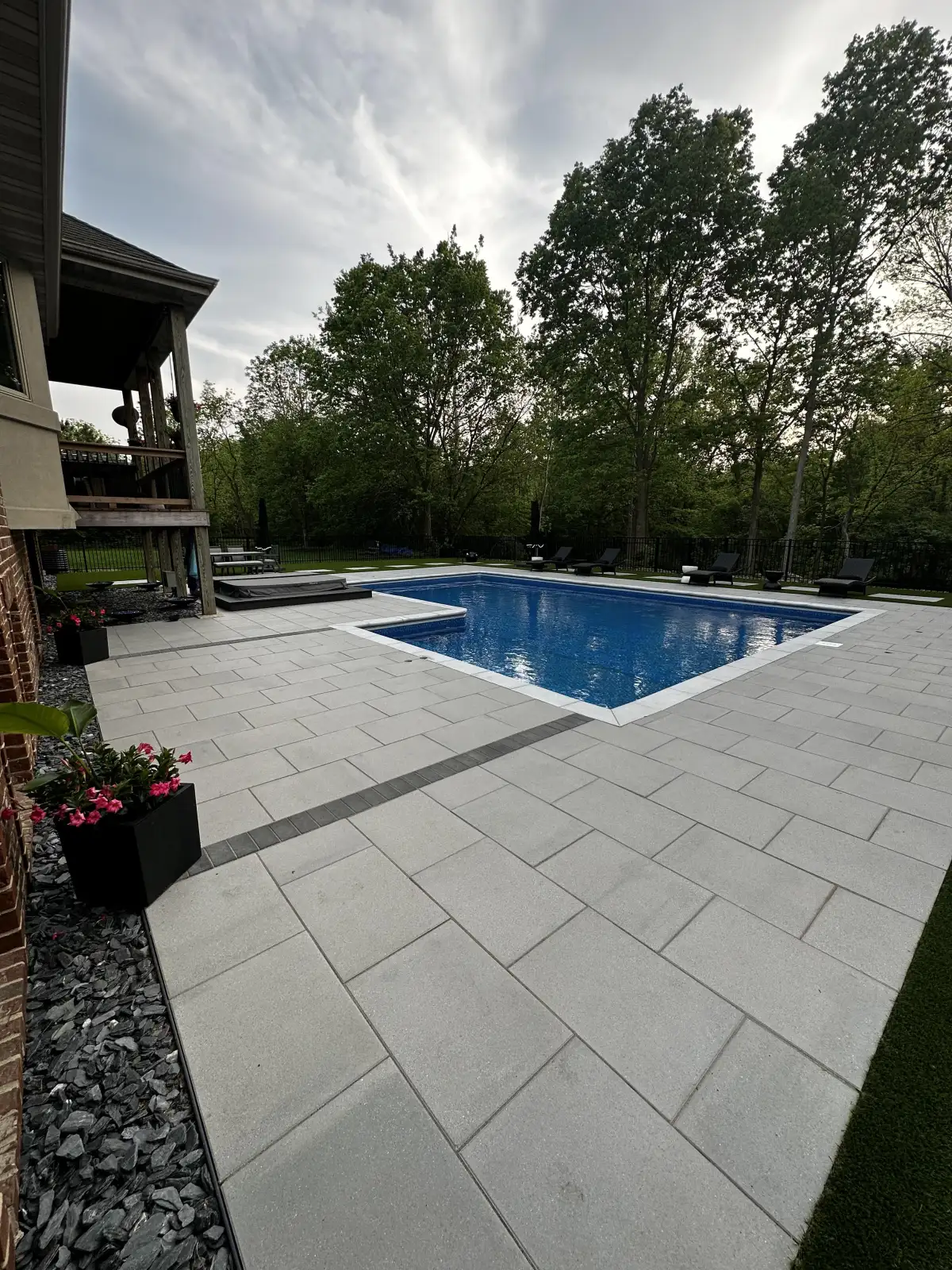
Patios, Walkways & Retaining Walls
Custom hardscape construction for Michigan homes, built with compacted bases, controlled drainage, and materials selected for freeze-thaw durability.
Hardscaping That Survives Michigan Winters
Hardscaping in Michigan is not the same as hardscaping in Georgia or California. The ground here freezes 4 to 5 feet deep, thaws and refreezes over 100 times per season, and absorbs enormous volumes of water from snowmelt and heavy spring rains. Installations that do not account for these forces will crack, shift, and settle within the first few years.
At Great Lakes Synthetic Turf, we approach hardscaping with the same engineering mindset we bring to our turf installations: build a proper base, use appropriate materials, and install systems that work with Michigan's climate rather than against it. Every patio, walkway, and retaining wall we build starts with a compacted aggregate base that extends below the frost line where required.
We are a family-owned, owner-operated company. That means the person who designs your project is the same person who oversees the installation. No subcontractors, no handoffs, no communication gaps between the office and the job site.
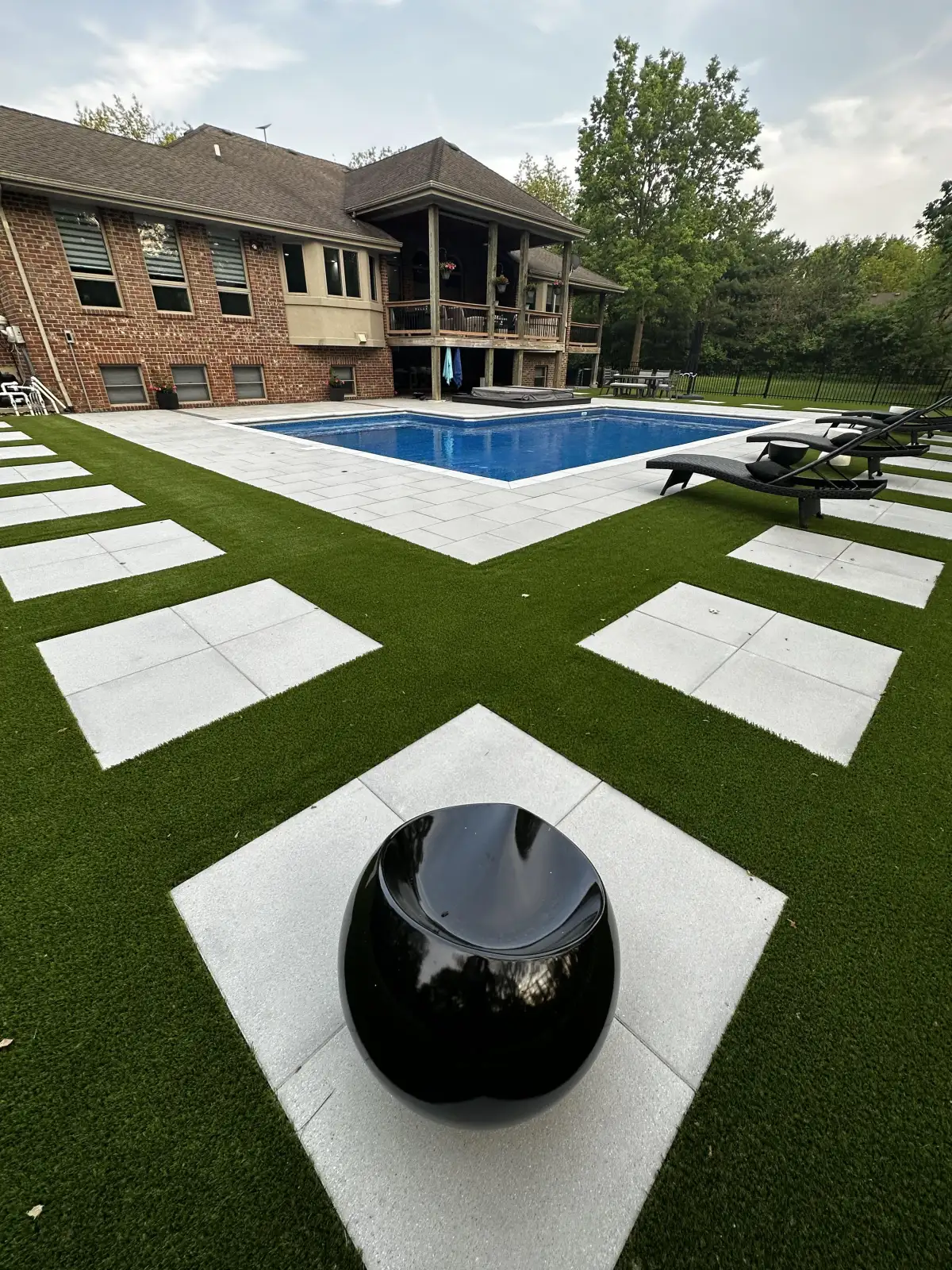
Built Structures for Outdoor Living
From intimate patio spaces to large retaining walls, each hardscape element is planned around grade, runoff, traffic flow, and long-term movement.
Patios
Custom paver and natural stone patios designed for entertaining, dining, and relaxation. Built on compacted aggregate bases with proper slope for drainage and polymeric sand joints that resist weed growth and ant infiltration.
Walkways
Functional and attractive walkways connecting your home's entry points, outdoor living areas, and landscape features. Designed with proper grade, adequate width, and non-slip surfaces for Michigan's icy conditions.
Retaining Walls
Structural retaining walls that manage grade changes, prevent erosion, and create usable terraced spaces. Engineered with geogrid reinforcement for walls over 3 feet and proper drainage behind the wall face to prevent hydrostatic pressure buildup.
Fire Features
Gas and wood-burning fire pits, fireplaces, and fire tables that extend your outdoor season well into Michigan's fall months. Built with heat-rated materials and proper gas line installation where applicable.
Steps & Staircases
Hardscape steps and staircases connecting different elevation levels of your property. Built with uniform rise and run for safety, integrated lighting options, and non-slip treads for year-round use.
Borders & Edging
Clean borders between landscape beds, turf areas, and hardscape surfaces. Paver edging, natural stone borders, and aluminum edge restraints that maintain sharp lines and prevent material migration.
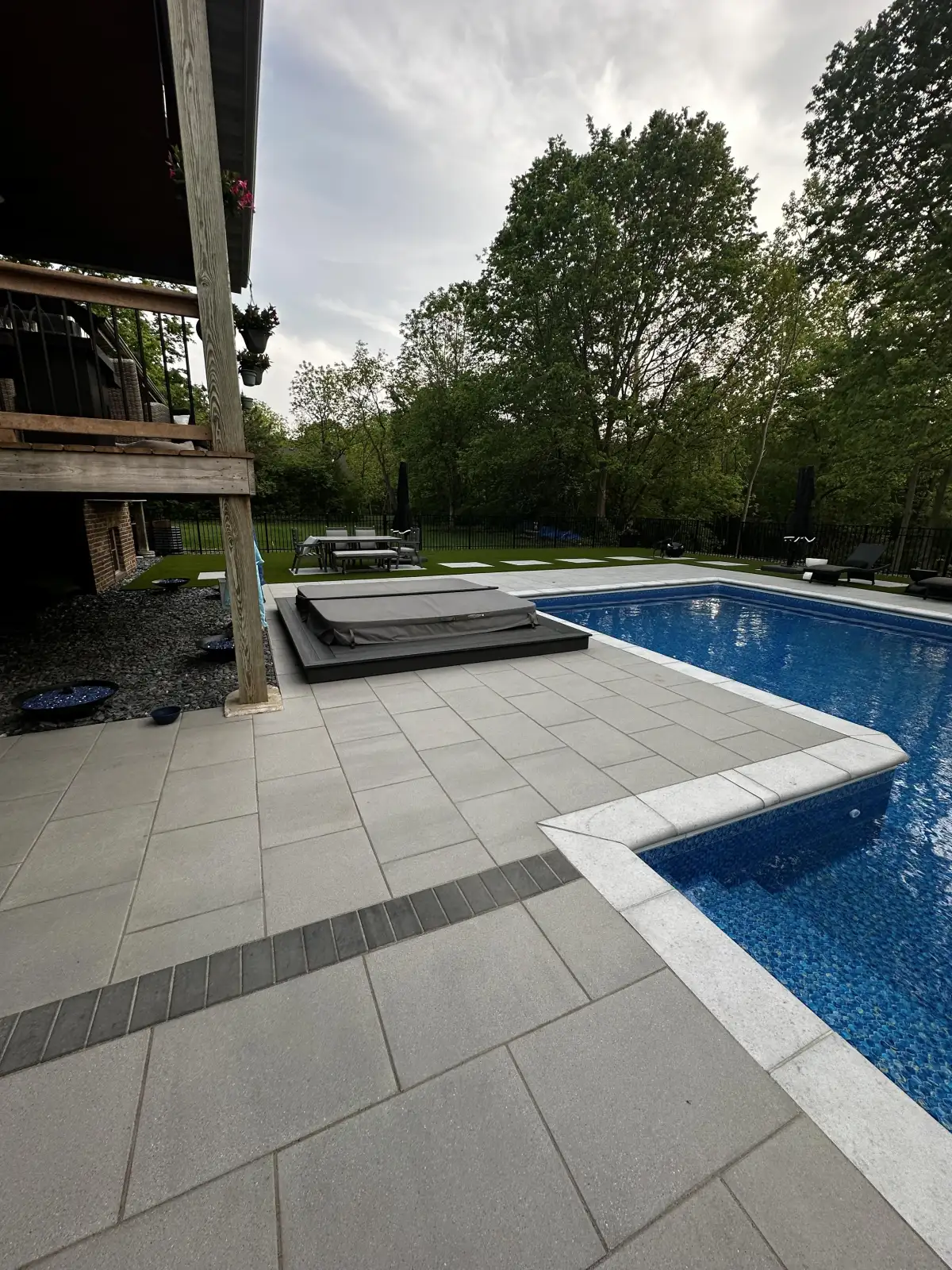
Materials We Work With
Material selection is critical in Michigan. Not every paver, stone, or concrete product is rated for our freeze-thaw conditions. We use exclusively materials that are tested and rated for Michigan's climate.
Concrete Pavers
Interlocking concrete pavers are the most popular choice for Michigan patios and walkways. They offer excellent freeze-thaw resistance, a wide range of colors and patterns, and the ability to replace individual units if ever damaged. We work with top manufacturers whose products carry lifetime structural warranties.
Natural Stone
Flagstone, bluestone, and granite provide a premium, one-of-a-kind appearance. We select stone with low absorption rates that resist cracking during freeze-thaw cycles. Natural stone costs more than pavers but delivers unmatched character and longevity.
Concrete
Poured and stamped concrete offers a cost-effective option for large patio areas and walkways. We use air-entrained concrete mixes rated for Michigan's freeze-thaw conditions, with proper control joints and reinforcement to minimize cracking.
Permeable Options
Permeable pavers and open-joint systems allow water to pass through the surface and into a sub-base reservoir, reducing runoff and eliminating standing water. These systems are particularly effective when combined with our drainage solutions.
Recent Hardscaping Projects
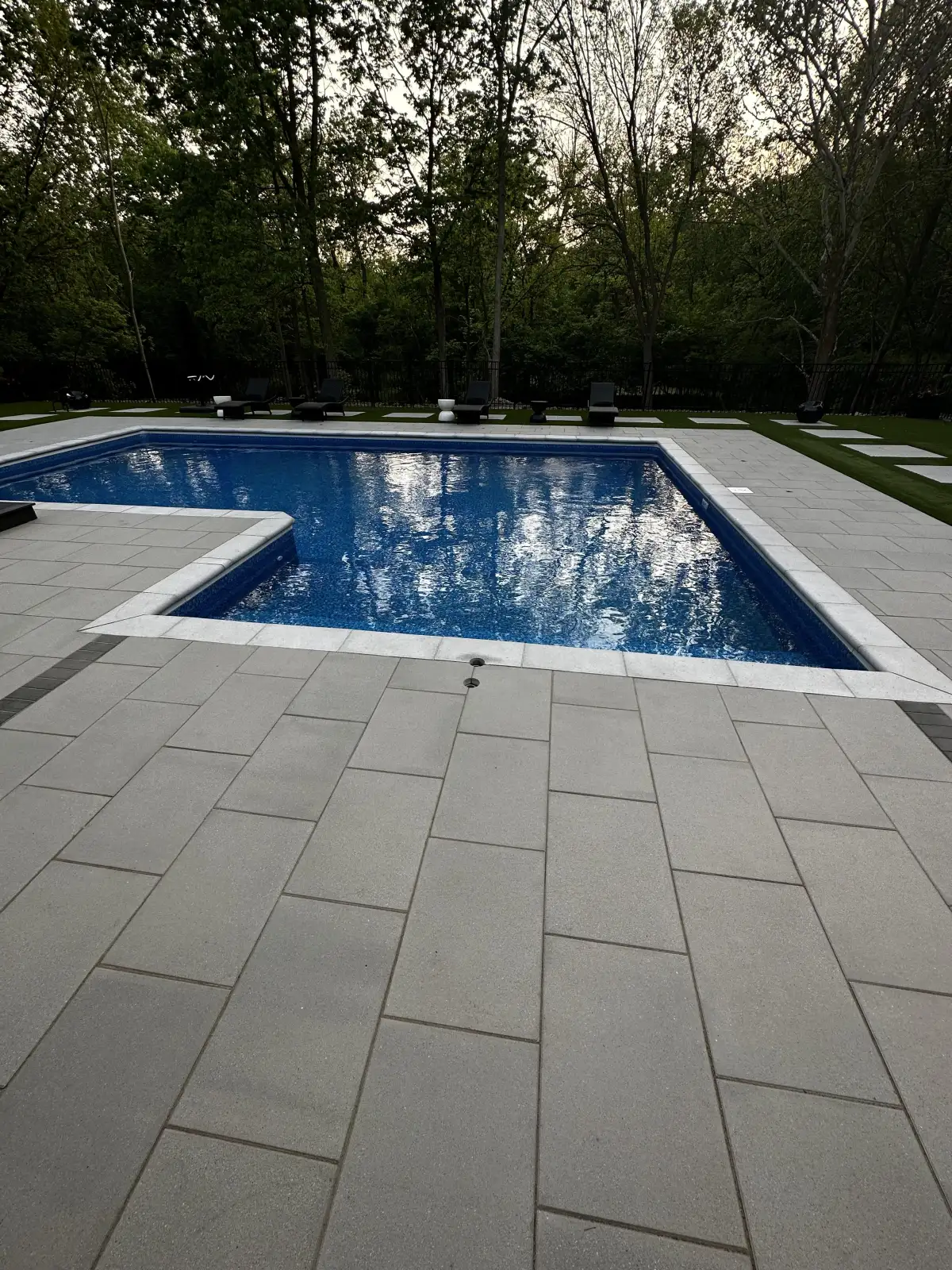
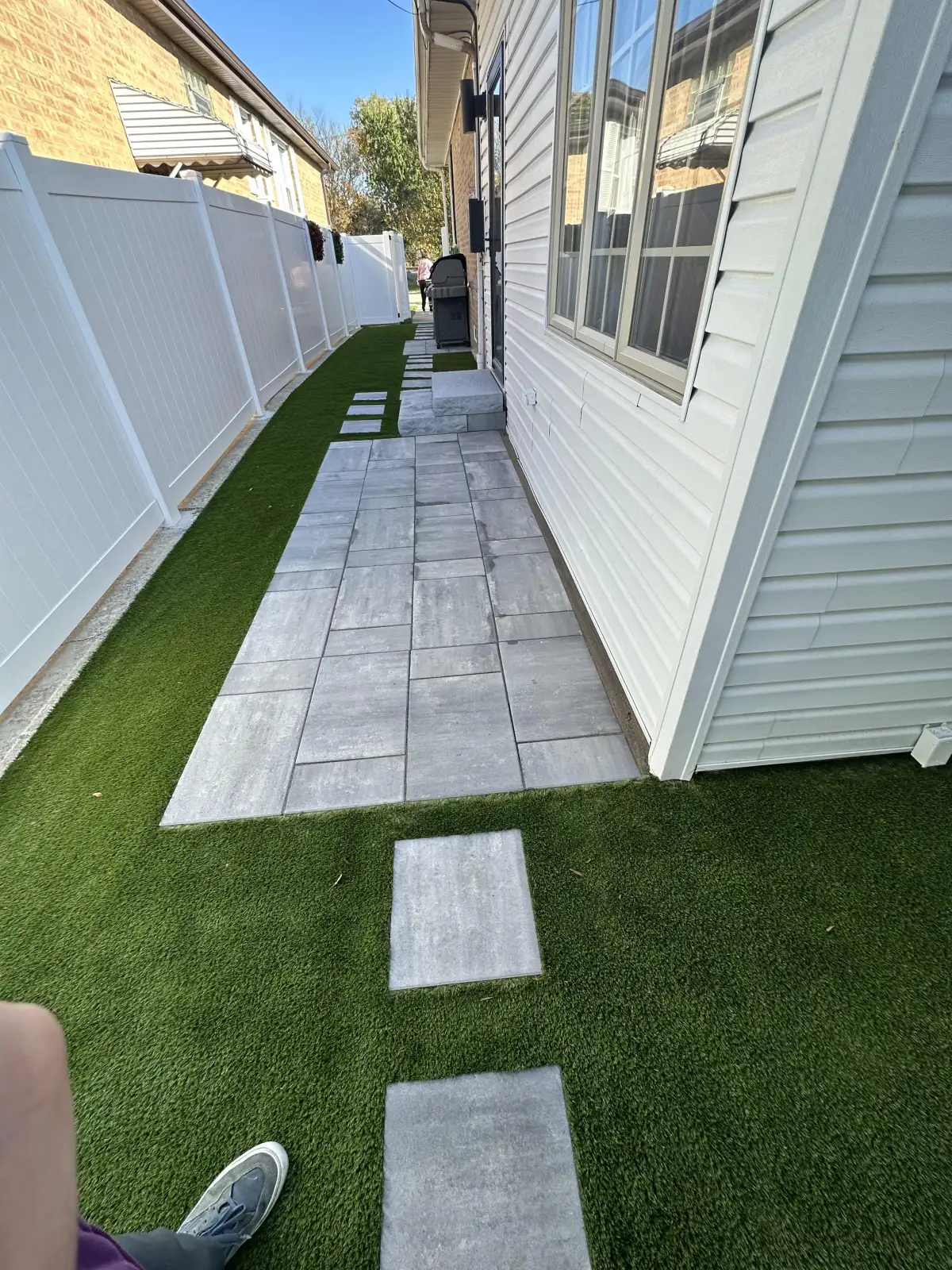
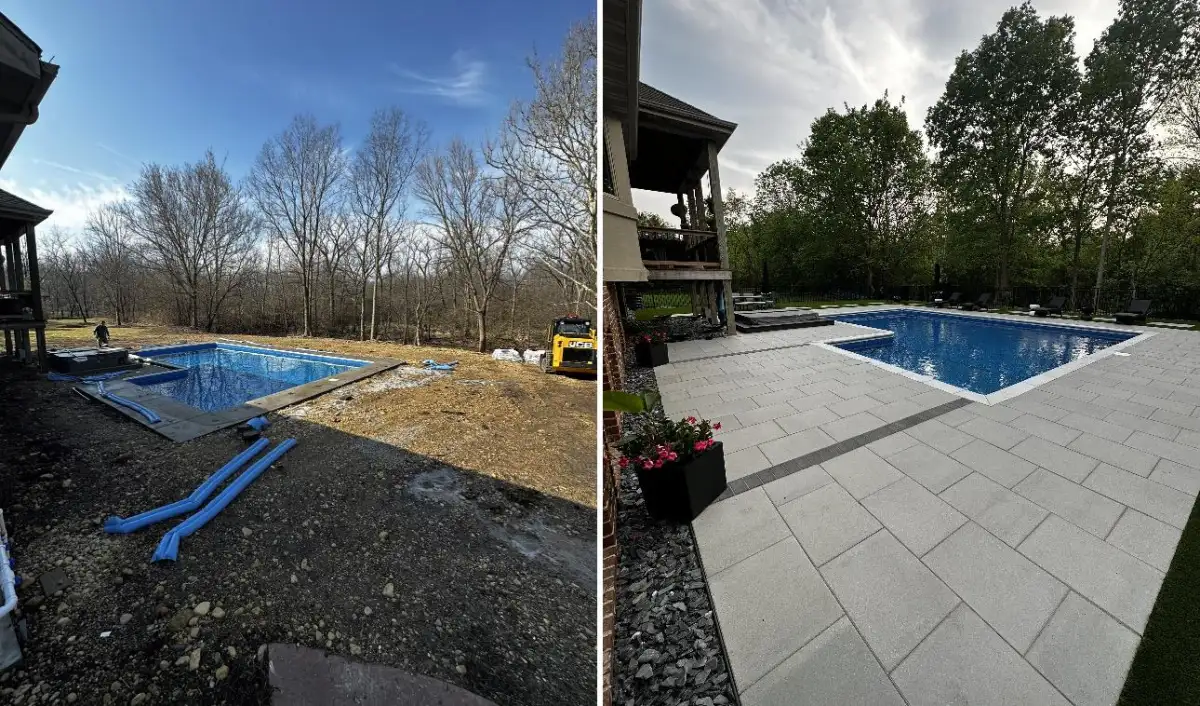
Patios, walkways, retaining walls, and fire features built by Great Lakes Synthetic Turf across Michigan.
Hardscaping FAQ
A professionally installed paver patio in Michigan typically costs between $18 and $30 per square foot, depending on the paver product selected, base depth required, and project complexity. A typical 300-square-foot patio runs between $5,400 and $9,000 fully installed. Natural stone patios start higher, typically $25 to $45 per square foot. We provide free on-site estimates with exact pricing for your specific project.
Not when properly installed. The key is base preparation. We excavate to a minimum of 8 inches below the finished paver surface -- deeper for heavy-use areas or poor soil conditions -- and install compacted aggregate in lifts. This base prevents frost heave from reaching the paver surface. We also install edge restraints that are staked into the aggregate base, keeping the paver field locked in position. Polymeric sand in the joints further stabilizes the system.
A typical residential patio of 300 to 500 square feet takes 3 to 5 days, including excavation, base preparation, paver installation, and finishing. Larger projects involving retaining walls, multiple patio areas, walkways, and fire features may take 1 to 3 weeks. We provide a detailed timeline during the design consultation so you know what to expect.
Yes. We can integrate fire pits, fire tables, and fireplaces into existing paver or concrete patios. For gas fire features, we run a gas line from your home's supply and install the burner system within a custom-built stone or block surround. Wood-burning fire pits require less infrastructure but need proper clearance from structures and a heat-rated base under the patio surface. We handle permits where required.
Our Hardscaping Installation Process
Every hardscaping project follows a proven process designed to deliver structures that last decades in Michigan's demanding climate.
1. Site Assessment and Design
We evaluate your property's grade, soil conditions, drainage patterns, and existing structures. Using these findings, we create a detailed design with material selections, dimensions, and a construction plan. We walk through the design with you on-site so you can visualize the finished project before we break ground.
2. Excavation and Base Preparation
We excavate to the required depth -- typically 8 to 12 inches for patios and walkways, deeper for retaining walls. The subgrade is compacted, and a layer of geotextile fabric is laid to prevent soil migration into the aggregate base. This step takes the longest but determines whether your hardscaping lasts 5 years or 25.
3. Aggregate Base Installation
Clean, angular aggregate is installed in 2-inch lifts, with each lift compacted to 95% density using a plate compactor. The base is graded to direct water away from structures and toward designated drainage points. For areas with poor drainage, we integrate French drains or channel drains into the base layer.
4. Bedding Layer and Material Placement
A screeded bedding layer of concrete sand or stone dust creates the final smooth surface. Pavers, natural stone, or other materials are then placed according to the design pattern. Cuts are made with a wet saw for clean, precise edges. Each piece is checked for level and alignment as the installation progresses.
5. Edge Restraint and Joint Filling
Aluminum or plastic edge restraints are staked into the aggregate base to prevent the paver field from shifting. Polymeric sand is swept into joints and activated with water, locking pavers together and preventing weed growth and insect infiltration. This is the same system used on commercial installations.
6. Final Inspection and Cleanup
We inspect every square foot for level, alignment, and joint consistency. Surrounding areas are cleaned and restored. We walk through the completed project with you, explain maintenance requirements, and provide product documentation for the materials used. Most paver manufacturers warrant their products for life when properly installed.
Why Michigan Hardscaping Requires Specialized Knowledge
Michigan experiences some of the most demanding conditions for hardscaping in the United States. The state averages over 100 freeze-thaw cycles per winter -- each one exerting expansion and contraction forces on every paver, stone, and concrete surface. Add to that 30 to 200 inches of annual snowfall depending on location, heavy spring rains that saturate clay soils, and summer temperatures that can exceed 90 degrees Fahrenheit, and you have an environment that punishes shortcuts.
The frost line in Michigan extends 42 to 48 inches below the surface in most areas. Retaining walls over 3 feet require footings that extend below this depth to prevent frost heave from lifting the entire structure. Even patio bases must account for frost -- the aggregate base acts as a buffer between the frozen ground and the paver surface, absorbing expansion forces instead of transmitting them upward.
This is why base preparation accounts for 40 to 50% of our total installation time on any hardscaping project. Rushing the base saves a few hours during installation but costs thousands in repairs within the first few years. We have seen competing installations where pavers were laid on 3 inches of compacted soil -- they looked great for one summer and needed to be torn out and rebuilt the following spring. Our base specifications exceed manufacturer minimums specifically because we know what Michigan winters demand.
Regional Considerations
Different parts of Michigan present different hardscaping challenges. The western lakeshore from Holland to Muskegon receives heavy lake-effect snow that keeps the ground saturated well into spring. Grand Rapids and the central corridor deal with heavy clay soils that expand significantly when frozen. Detroit and southeast Michigan face a mix of clay, fill, and variable soil conditions from decades of development. Northern Michigan, including Traverse City, has shorter building seasons and deeper frost penetration.
We adjust our approach for each region. Lakeshore projects get deeper bases and more aggressive drainage. Clay-heavy sites get additional aggregate depth and sometimes full soil replacement beneath the base. Northern projects are scheduled to maximize the shorter warm season, with base work starting as soon as the ground thaws in late April.
Integrating Hardscaping with Other Services
Hardscaping works best when planned alongside other outdoor improvements. A patio installed next to an artificial turf lawn shares the same excavation and grading work, reducing cost and ensuring consistent drainage. Landscape lighting conduit laid during hardscape construction avoids the need to trench through finished surfaces later. And drainage solutions integrated into the hardscape base eliminate the standing water problems that damage both the hardscaping and surrounding landscape over time. We design all of these elements together because we install all of them ourselves.
Patio and Retaining Wall Questions
The ideal hardscaping season in Michigan runs from late April through early November, once the ground has fully thawed and before sustained freezing temperatures arrive. Spring bookings should be made in January or February to secure your spot -- our schedule fills quickly. Fall installations work well for hardscaping because cooler temperatures are easier on crews and polymeric sand activates best in moderate weather. Avoid scheduling base preparation during heavy rain periods, typically late March through mid-April, when clay soils are at their wettest.
Properly installed hardscaping requires minimal winter maintenance. Use plastic shovels or snow blowers rather than metal-edged tools that can chip pavers. Avoid rock salt directly on paver surfaces -- calcium chloride or magnesium chloride de-icers are safer for concrete pavers and natural stone. In spring, inspect joints and reapply polymeric sand if any has washed out. Power washing once a year in spring removes winter grime and restores the original appearance. Seal pavers every 3 to 5 years to maintain color and protect against staining.
Pavers are individual interlocking units that flex independently during freeze-thaw cycles, making them highly resistant to cracking. If a single paver is damaged, it can be replaced without affecting the rest of the patio. Stamped concrete is a continuous slab that relies on control joints to manage cracking -- but in Michigan's climate, cracks often appear outside these joints within 3 to 5 years. Pavers cost 10 to 20% more upfront but typically last significantly longer in freeze-thaw climates and require less repair over their lifetime. We install both and can help you decide which is right for your project and budget.
Transform Your Outdoor Space
Schedule a free design consultation to explore patio, walkway, and retaining wall options for your property. We will create a custom design with exact pricing.