Kalamazoo Turf FAQ
FAQ: Artificial turf installation in Kalamazoo, MI
What should a complete Kalamazoo artificial turf quote include?
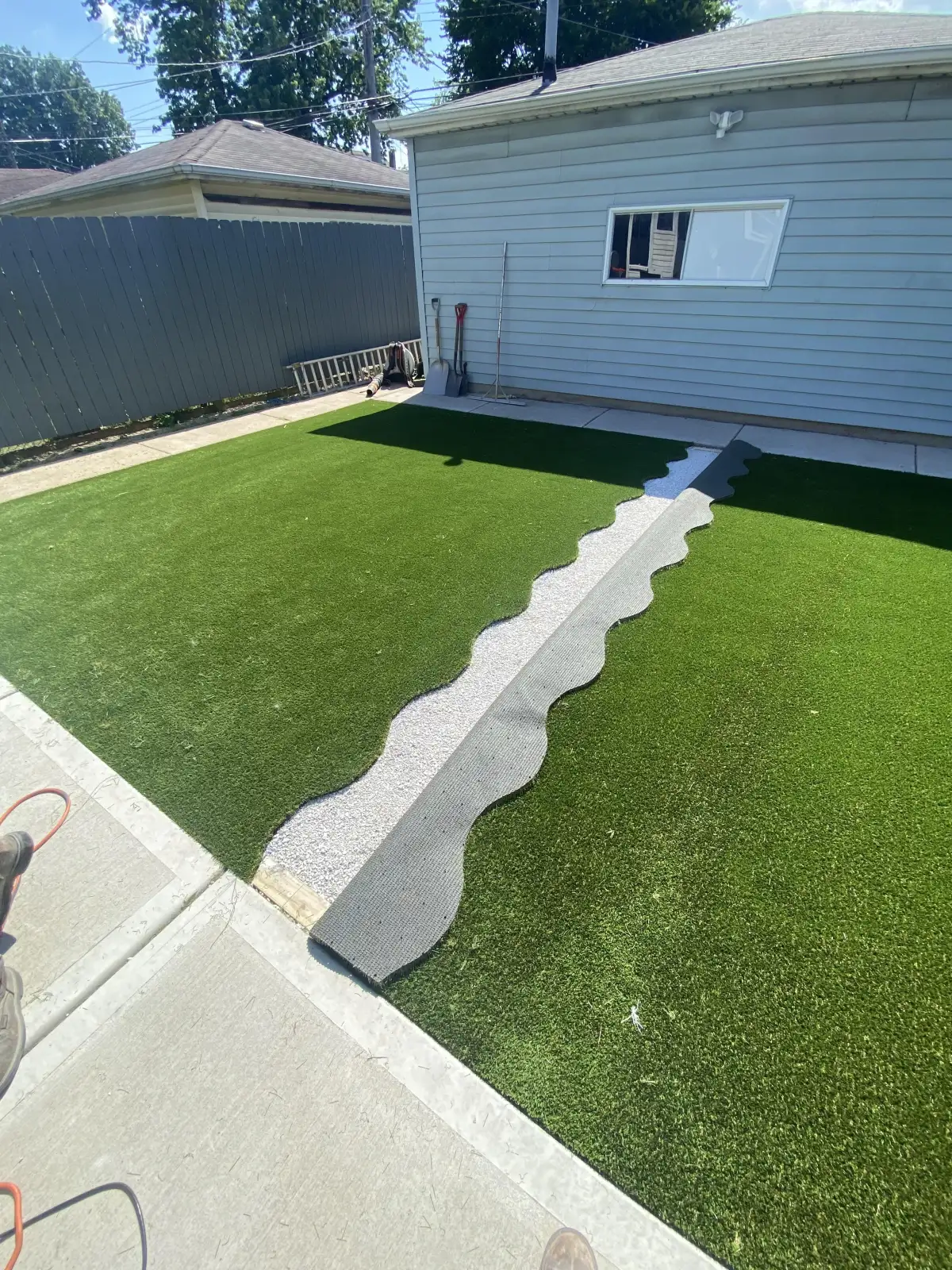
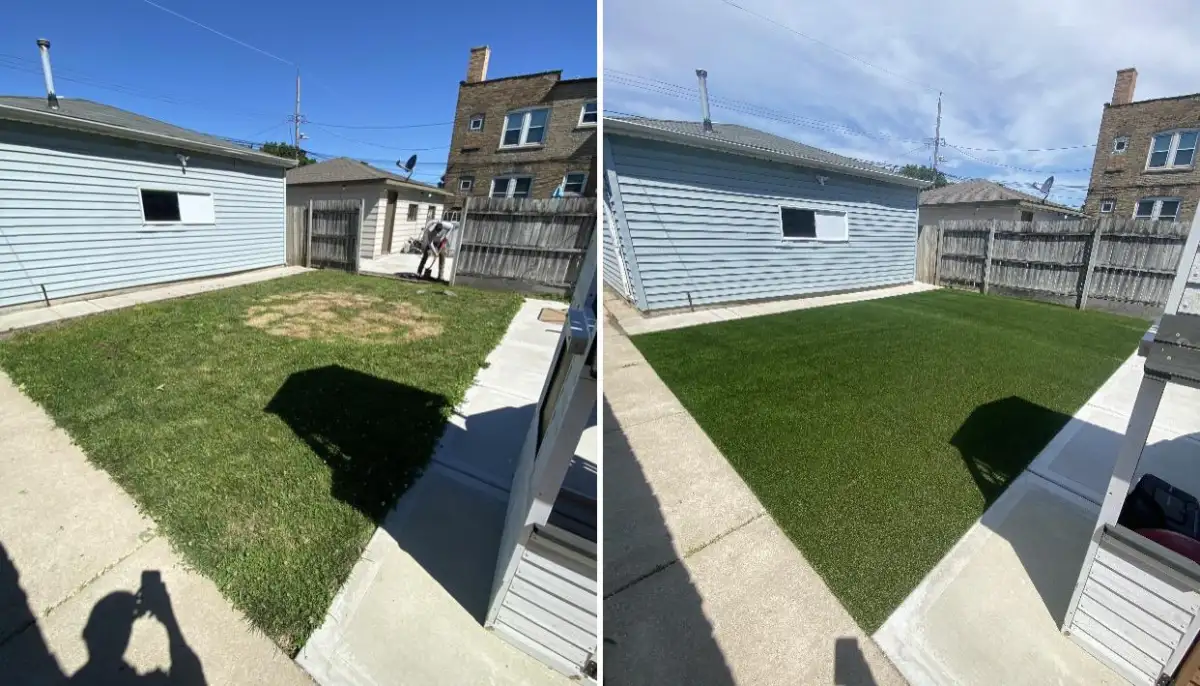
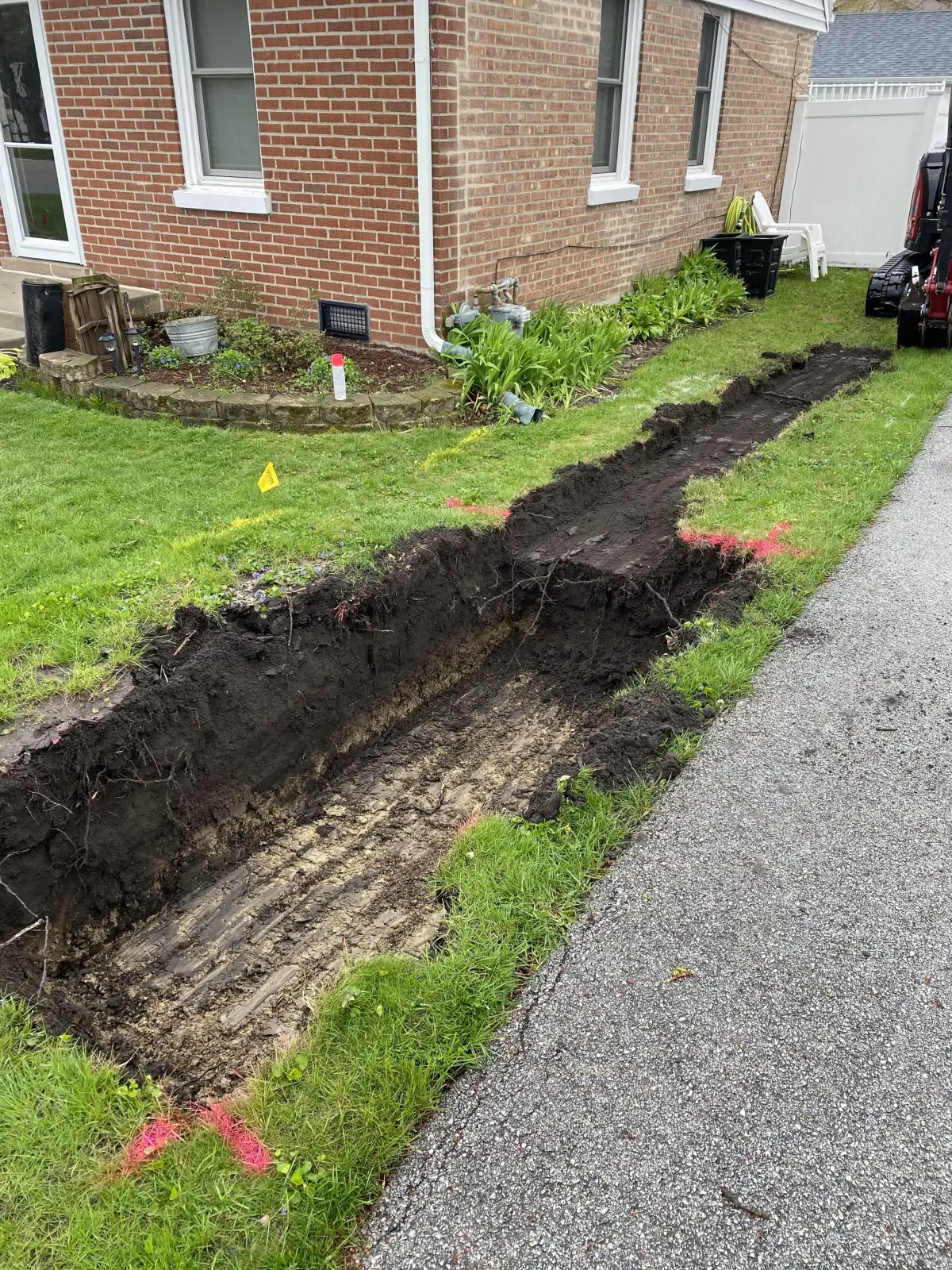
A complete quote should describe excavation and haul-off, grading, drainage stone, compaction, edge containment, turf selection, seams, infill, final grooming, and any site-access or drainage work that changes the scope.
Does artificial turf in Kalamazoo need a drainage stone base?
Yes. The drainage stone base helps water move below the turf and gives the finished surface stable support. Its depth and grading should be matched to the property's soil, runoff, low spots, and intended use.
Can artificial turf work for dogs in Kalamazoo?
Yes. Pet turf can work well for dog runs, muddy routes, and fenced yards when the system includes fast drainage, pet-appropriate infill, durable turf, and practical access for rinsing and cleanup.
What could 1,000 square feet of artificial turf cost in Kalamazoo?
At the typical Michigan planning range of $13 to $15 per square foot, a 1,000-square-foot installation would be roughly $13,000 to $15,000. That is not a site-specific quote; excavation, access, drainage, turf selection, edges, and the intended use can change the final price.
What common artificial grass problems should Kalamazoo homeowners screen for?
Common problems include low spots that hold water, visible or separating seams, loose edges, matted fibers, hot surfaces in direct sun, and pet odor when drainage or cleaning is inadequate. These are also common reasons older systems are replaced or removed, so the base, turf, infill, and care plan should be discussed before installation.
Does rain drain through artificial grass?
Rain can drain through perforations in artificial turf, but the surface is only one part of the system. Water still needs a properly graded, compacted stone base and a suitable route away from low areas, foundations, pavement, and neighboring property.
What maintenance does artificial turf need in Kalamazoo?
Routine care usually includes removing leaves and debris, brushing fibers in frequently used areas, rinsing pet zones, and checking edges or infill as needed. During winter, allow snow and ice to melt when possible and avoid metal tools that can cut the turf backing.